

3 Female Mythical Heroes to Teach in World Literature
I absolutely LOVE diving into hero worship with my students. It’s ingrained into humans to hold people or stories of people high in our society as a way to strive for what we believe in and would like to be. Each year, I love to start my World Literature class by taking a deep look into mythical heroes from several cultures and discuss how these heroes reflect the best aspects of the culture. We explore the timeless tales of heroes like Beowulf, Achilles, Hercules, Prince Yamato, and so many more!
However, mythical heroes are male heavy and until recently I did not know too many female heroes. I love to teach World Literature thematically because of the diversity you can have, but not including any female mythic heroes limited some aspects of this diversity I always strive for.
This post will shed some light on three female mythic heroes that I now love to include in my unit as well as some suggestions for others you may want to look into!
Greek Female Hero- Atalanta
I like to start with the Greek heroes in my unit and this usually meant Perseus, Hercules, and Achilles. I love these mythic heroes, but when I discovered Atalanta, I was blown away!
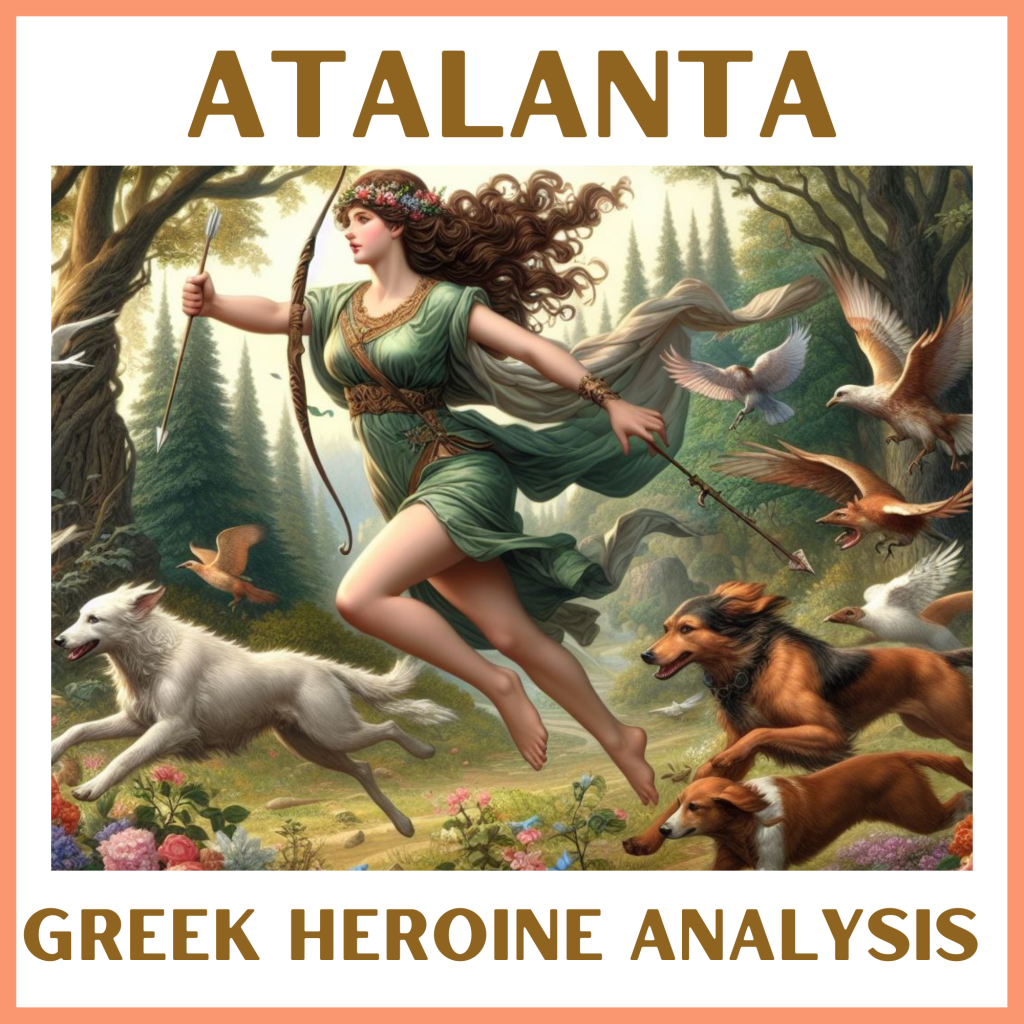
Atalanta is the perfect hero to close out a study on Greek mythical heroes! She is the only female Greek hero (that I have found at least) and it’s great to compare her to her male counterparts. She is a woman that was left for dead in the woods by her father and raised by bears until a kindly hunter finds her years later and takes her in.
The two myths I use are: The Calydonian Boar-hunt and Atalanta’s Race (or The Race of the Golden Apples).
The Race of the Golden Apples
In the myth of the Race of the Golden Apples, Atalanta, returns to the father who abandoned her. When he insists that she marry, she counters that she will only wed a man swift enough to outrun her. She also set a condition: any suitor who failed to outrun her would be put to death. Several suitors meet a terrible fate as they continue to all loose to Atalanta. Hippomenes falls in love with Atalanta at first sight and decides to race just to have a chance at winning her hand. With the help of Aphrodite’s golden apples, Hippomenes wins the race, securing Atalanta’s hand and their own fate.
Adding to the discussion of Atalanta’s greatness that it literally took divine intervention to best her.
The Calydonian Boar-hunt
King Oeneus of Calydon neglected to honor the goddess Artemis, leading her to send a monstrous boar to ravage his kingdom. In response, heroes including Atalanta, Meleager, and others were assembled to hunt down the boar, leading to a fierce battle full of heroism, tragedy, and divine intervention.
Atalanta shows off her superior hunting knowledge by bringing the boar down. Ultimately, though, it was Meleager who slew the boar after Atalanta incapacitated it. However, the outcome of this hunt brought the prophecy that The Fates had foretold to fruition.
In the myth The Calydonian Boar-hunt, it is most interesting to see how Atalanta is compared to the goddess Athena. In fact, Athena admired her spunk so much that she became Atalanta’s patron.
Don’t have time to teach all the Greek mythical heroes we’re coving in this post? This Greek Heroes Mini Unit may be the perfect fit!

Asian Mythical Hero- Hua Mulan
As we are covering Eastern Mythical Heroes, I love to also cover a famous Mythical Heroine- Hua Mulan.

Hua Mulan is a story that is over 1,500 years old! I love sharing this story with my students. The real Hua Mulan is greatly different from the Disney version.
Most of her earlier stories are quite short and in poetic form. They described Hua Mulan as exceedingly beautiful and gifted in battle. She took her father’s place in battle, served for twelve or thirteen years without her femininity ever being discovered, and was rewarded by the emperor for her accomplishments.
Eventually more lengthy texts were made about her as well as plays.
There are many variations of what happens to Hua Mulan in the end, but they all seem to end in suicide. In one piece it’s because the emperor was taken with her and her success in battle that he offers her a place in his harem. She knows that she cannot refuse him, but also values herself too much and instead commits suicide.
There is an extremely rich history in this one mythical heroine. I highly encourage you to check it out here!
This resource could help you introduce your students to Confucianism and Hua Mulan’s story.

Queen Boudica
Boudica, also known as Boadicea, was a queen of the ancient British Iceni tribe who led a fierce but ultimately unsuccessful uprising against the Roman Empire in AD 60 or 61. While she is not from a myth, we also do not know the full history of this mighty woman to be able to say what is history and what is myth.
According to Historic UK, “Boudica was a striking looking woman. – “She was very tall, the glance of her eye most fierce; her voice harsh. A great mass of the reddest hair fell down to her hips. Her appearance was terrifying.” – Definitely a lady to be noticed!”

What we do know by most accounts is that she was married to King Prasutagus. Seeking to protect his kingdom, he made the Roman Emperor Nero co-heir with his daughters to his wealth, but Roman Governor Suetonius Paulinus disregarded his wishes and plundered his lands after his death.
Once widowed, Boudica was publicly flogged, and her daughters were raped by Roman slaves. This lead to outrage among the Iceni, Trinobantes, and other tribes. These atrocities sparked a rebellion against the Romans, fueled by a desire for justice and freedom from oppression.
Queen Boudica was a fierce fighter and lead her people to many victories. The Roman historian Tacitus in his ‘Annals of Rome’ gave a vivid account of the final battle,
“Boudica and her daughters drove round in her chariot to all her tribes before the battle, exhorting them to be brave. She cried that she was descended from mighty men but she was fighting as an ordinary person for her lost freedom, her bruised body and outraged daughters. Perhaps as taunt to the men in her ranks, it is said that she asked them to consider: ‘Win the battle or perish: that is what I, a woman will do; you men can live on in slavery if that’s what you want.’
Tacitus
While she ultimately did lose to the Romans, you may find her inclusion in a unit on mythical heroes compelling due to her embodiment of resilience, courage, and defiance against oppression. Her story resonates as a symbol of the struggle for justice and independence, showcasing the power of individual agency and the enduring legacy of resistance against overwhelming odds.
Honorable Mentions
Lúthien
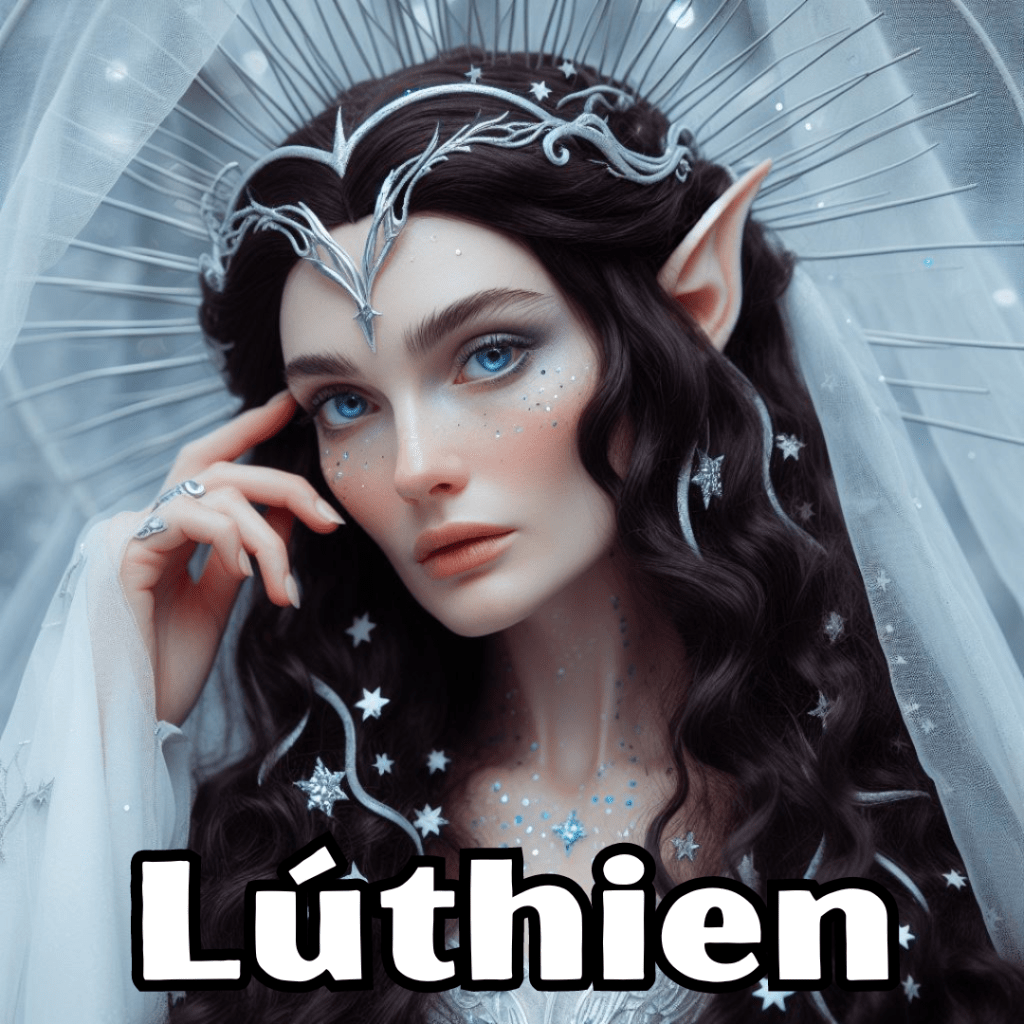
Lúthien is an elf from J.R. Tolkien’s Middle Earth creation. While not technically mythical, Tolkien did write these tales to be England’s mythology. Her bravery is worth adding into any mythical study though! Here’s a little bit about her.
Lúthien was an Elf maiden of extraordinary beauty and grace, the daughter of Thingol and Melian, rulers of the kingdom of Doriath. She fell in love with the mortal man (Beren) who was on a perilous quest to retrieve a Silmaril from the crown of Morgoth, the dark lord. However, he was captured by Sauron.
Lúthien goes on her own quest to rescue her love. Between her magical powers and her hound (Huan), she is able to rescue Beren. As they were fleeing, they were confronted at the gates by the great wolf Carcharoth and Beren’s hand was bitten off. Before the servants of Morgoth could pursue them, three Great Eagles came to the aid of Beren and Lúthien, bearing them away. Lúthien heals him with her elf powers.
What I love about this heroine is that she and her faithful dog alone are able to take down the greatest evil in the land to save the love of her life. In a way, it flips the damsel in distress archetype in a unique way.
You can find a PDF of this tale here!
The Shieldmaiden Hervor
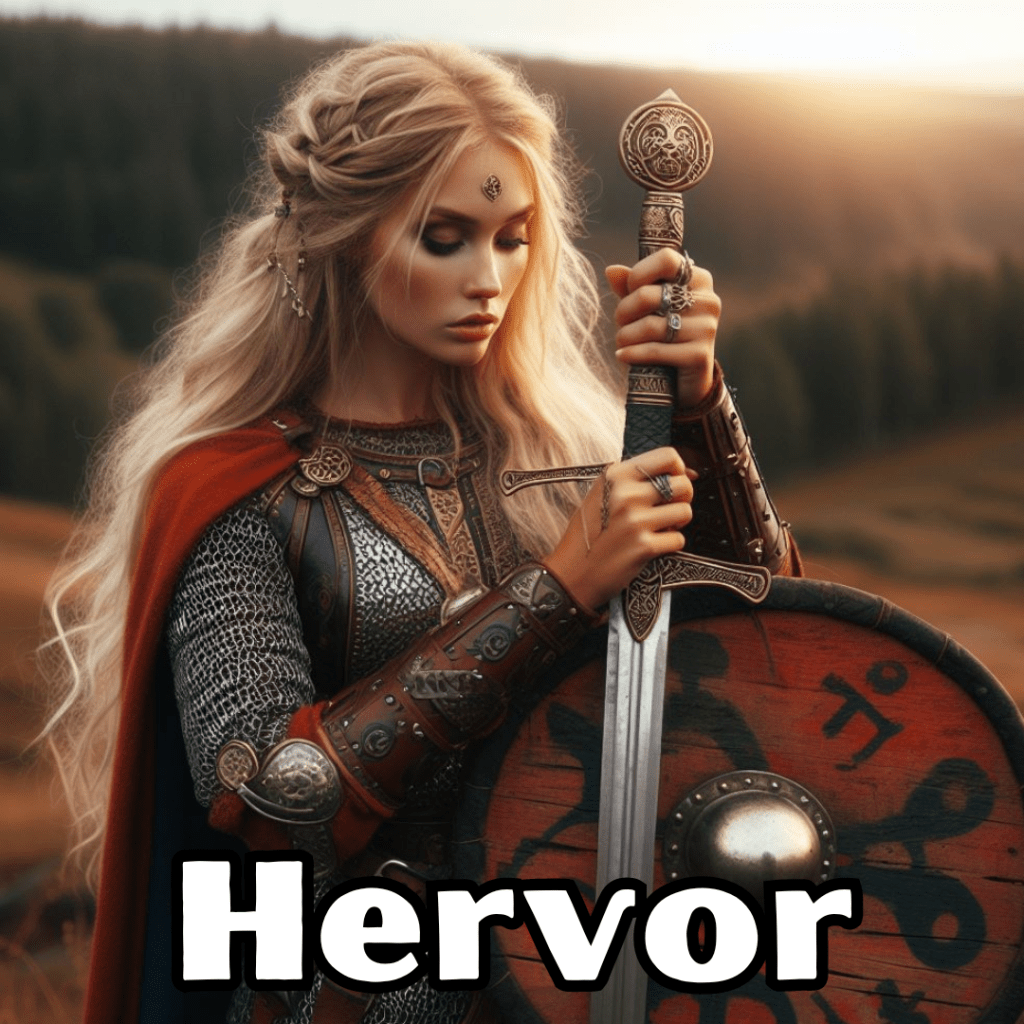
Hervor, daughter of the legendary Viking warrior Angantyr, defied societal expectations, excelling in archery, swordsmanship, and horse riding. Upon learning of her father’s identity, she embarked on a quest to find his mythical sword, Tyrfing. This sword had been forged (and cursed) by the famous dwarf smiths, Durin and Dvalin. The sword was both powerful and cursed, requiring bloodshed whenever unsheathed.
Hervor journeyed to her father’s grave, demanding the sword’s inheritance despite his warnings. Ultimately, she obtained Tyrfing, proving herself a responsible wielder in victorious battles. Settling down, she married and had sons, keeping the sword dormant. However, her sons’ curiosity led to tragedy when they unearthed Tyrfing.
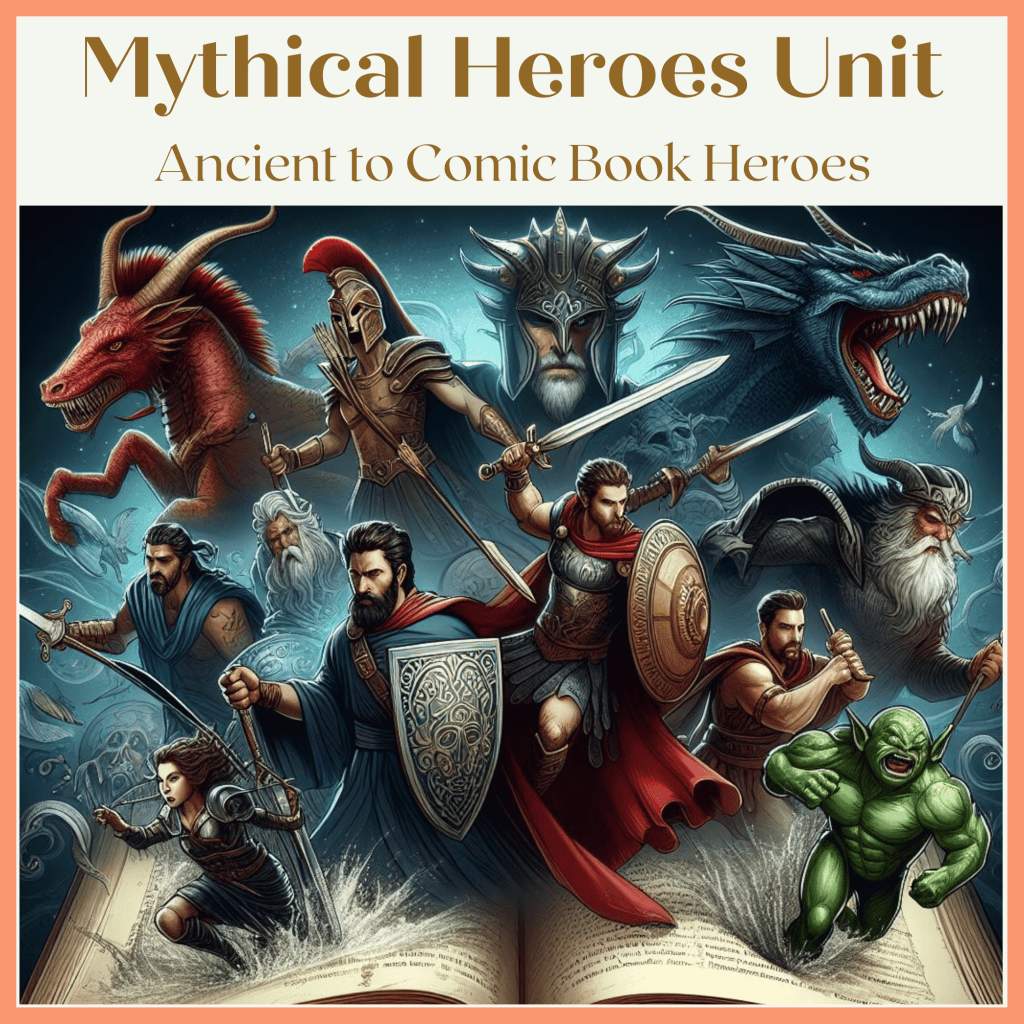
If you are feeling inspired and would like to save a little bit of time creating resources for a 6-week Mythical Heroes unit (that includes 2 of these female heroes covered in this post)- check out my Mythological Heroes Around the World Unit!
Final Thoughts
I hope that this has inspired you with some incredible mythical females to add to your World Literature studies! Let us remember that these mythical heroines not only defy stereotypes but also offer invaluable lessons in courage, resilience, and the power of the human spirit. Their stories continue to resonate across cultures and generations, serving as beacons of inspiration for all who seek to explore the depths of the human experience.
Join my weekly newsletter!
Would you love to get weekly tips and resources for teaching secondary English delivered right to your inbox? Click here to join!
 Around the World With Mrs. C