

4 Greek Mythical Heroes to Teach
I absolutely LOVE diving into hero worship with my students. It’s ingrained into humans to hold people or stories of people high in our society as a way to strive for what we believe in and would like to be. Each year, I love to start my World Literature class by taking a deep look into mythical heroes from several cultures and discuss how these heroes reflect the best aspects of the culture.
My students and I spend this time uncovering the universal themes of courage, sacrifice, and resilience that resonate across cultures and centuries. Through these narratives, students gain a deeper understanding of not only the specific cultures that birthed them but also the human condition itself, fostering empathy and appreciation for diverse perspectives.
Today I am the juicy details of the first week of this 6-week mythical heroes study when we tackle 4 Ancient Greek heroes! During this week, we look at Heracles, Perseus, Achilles, and Atalanta.

Short on time but want to teach all the Greek mythical heroes we’re coving in this post? This Greek Heroes Mini Unit may be the perfect fit!
What do heroic myths tell us about their societal values?
This is the main essential question we consider during the entire unit.
Hero worship is a big part of every society in history. We learn about the culture, their values, their religions, their customs, etc and then look at some of these legendary hero in their histories.
A couple other questions considered:
How did these heroes teach children of the time the social norms needed to be accepted by their society?
What do the villains teach us about those who don’t fit into the social norms?
Greek Mythical Heroes
First, I like to start with the Greek heroes Perseus, Hercules, Achilles, and Atalanta. Greek mythology is usually covered in elementary school, but a refresher is always great and my students are going to be going much deeper with these heroes than they ever have before.
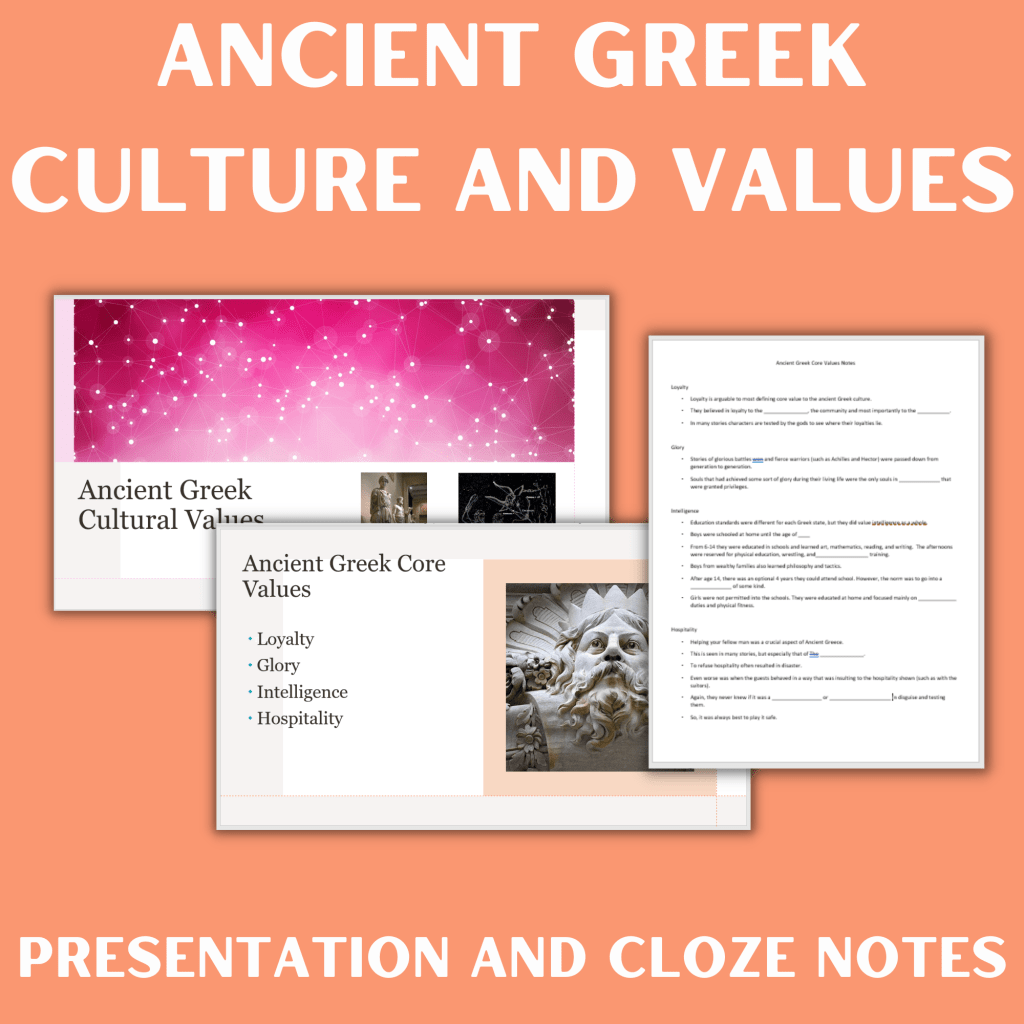
First, we review some of the major cultural values of the Ancient Greek society:
- Loyalty
- Glory
- Intelligence
- Hospitality
I also give a reminder presentation of The Fates. These three women were believed to be weaving the threads of destiny. This understanding underscored the Greeks’ belief in the power of fate and the inevitability of one’s path.
Then, we discuss how we see these reflected in these cultural heroes.
Teaching the 12 Labors of Hercules
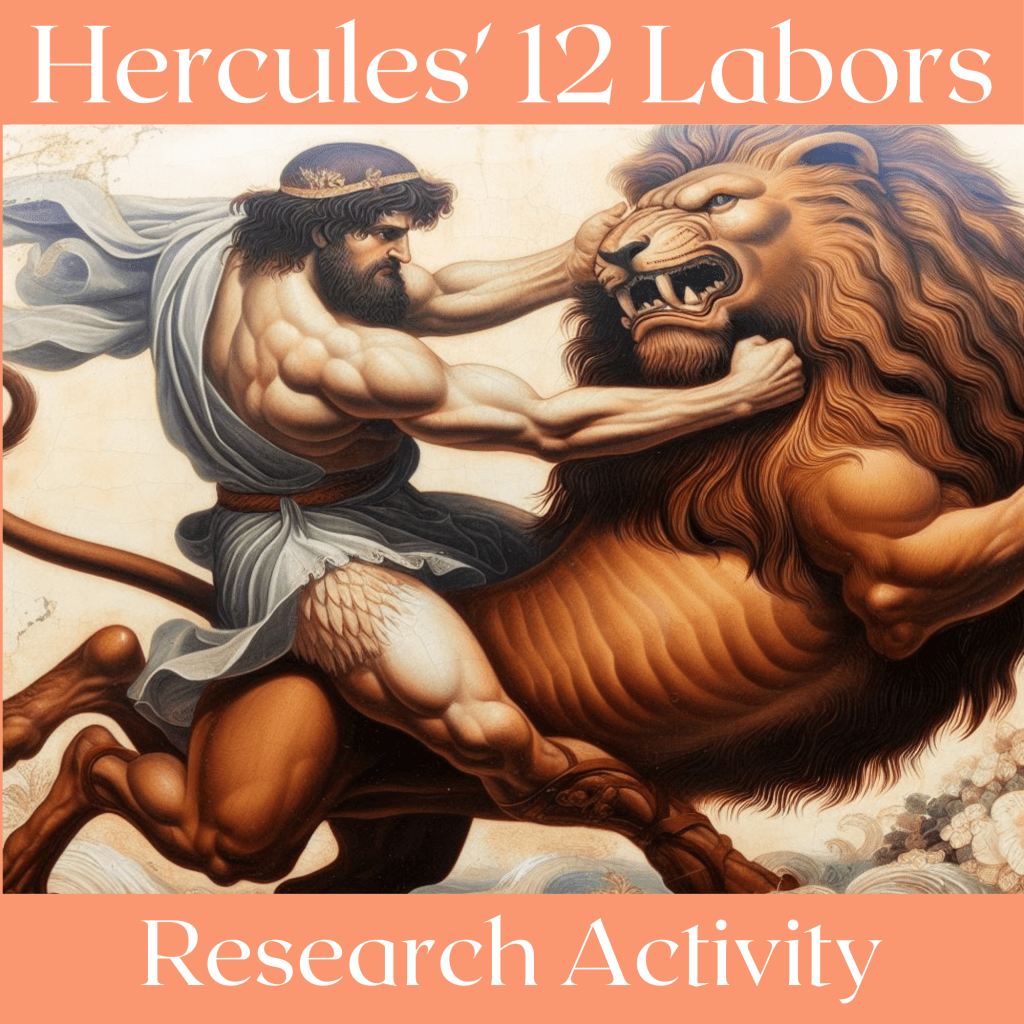
I often find that Hercules is the one that they have never actually explored beyond the Disney movie…..which we all know is WAY different.
We cover the 12 Labors of Hercules and discuss how these tie into the Ancient Greek values.
The myth of Heracles and his Twelve Labors recounts the heroic feats undertaken by the Greek demigod, Heracles, to atone for his sin of killing his family while under a curse by the jealous Hera.
Ordered by King Eurystheus, Heracles faced a series of daunting tasks, including slaying the Nemean Lion, capturing the Golden Hind of Artemis, and cleaning the Augean Stables. Each labor showcased his immense strength, cleverness, and endurance.
Through these trials, Heracles not only proved his worthiness but also established a legacy of courage and resilience that endures in Greek mythology and serves as a timeless example of overcoming adversity.
Teaching Perseus
Perseus, a mythological figure of Greek lore, embarked on a perilous journey outlined in various ancient texts, notably in Ovid’s “Metamorphoses” and Apollodorus’ “Library.” Perseus often has to be untangled in my students’ minds from Percy Jackson. Many remember that he killed Medusa, but the family drama is a new layer to cover.
Born to Danaë, daughter of King Acrisius of Argos, Perseus faced the wrath of his grandfather due to a prophecy predicting his own demise at the hands of his grandson. As a result, Danaë and Perseus were cast into the sea in a chest, eventually reaching the island of Seriphos.
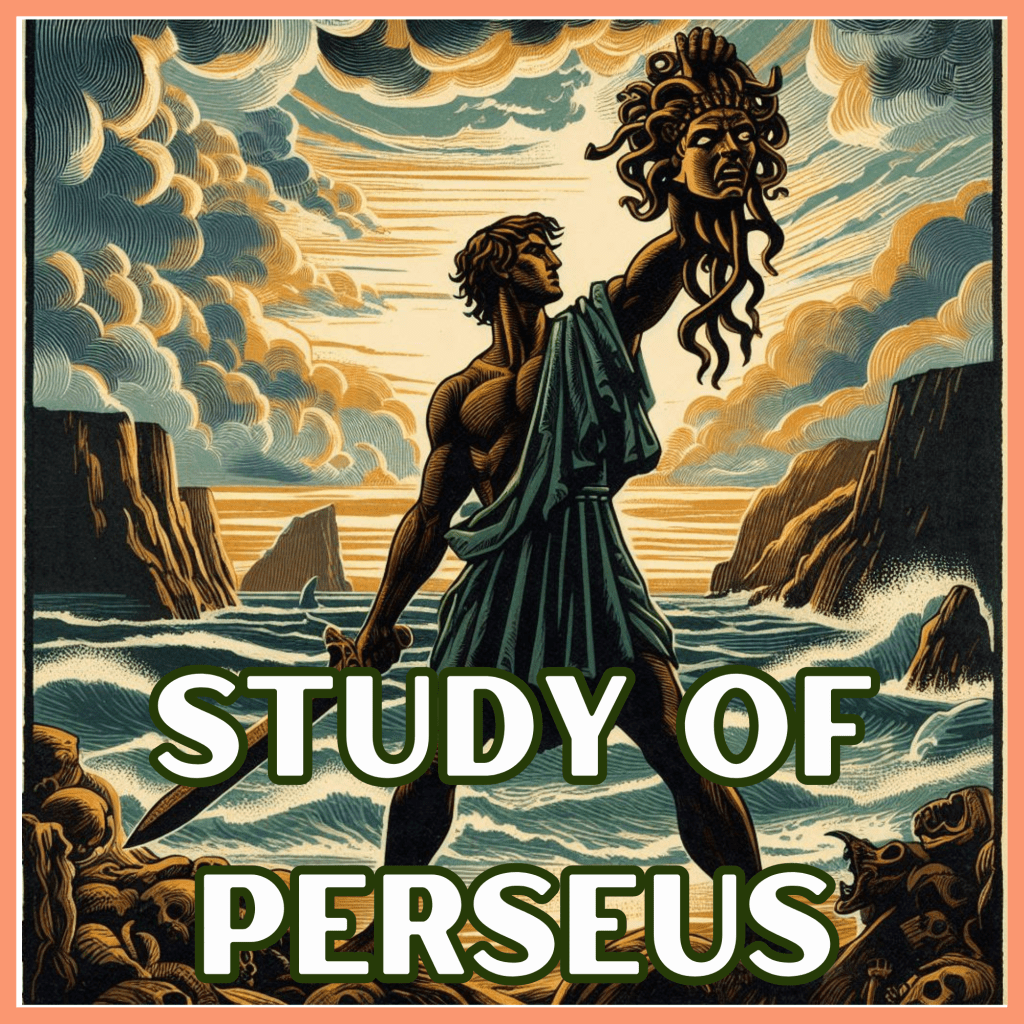
There, Perseus grew into a brave warrior. He accepted a daunting task assigned by King Polydectes: to slay the Gorgon Medusa, whose gaze turned men to stone. With the aid of Athena and Hermes, Perseus succeeded, using a mirrored shield to avoid Medusa’s gaze and decapitating her while she slept.
He returned victorious, utilizing Medusa’s head as a weapon, ultimately fulfilling his destiny and inadvertently fulfilling the prophecy by accidentally killing King Acrisius during a discus throw at the Pythian Games. Again, coming back to the idea of no one can avoid their fate.
Perseus’ tale embodies themes of heroism, destiny, and the unpredictable consequences of fate in Greek mythology.
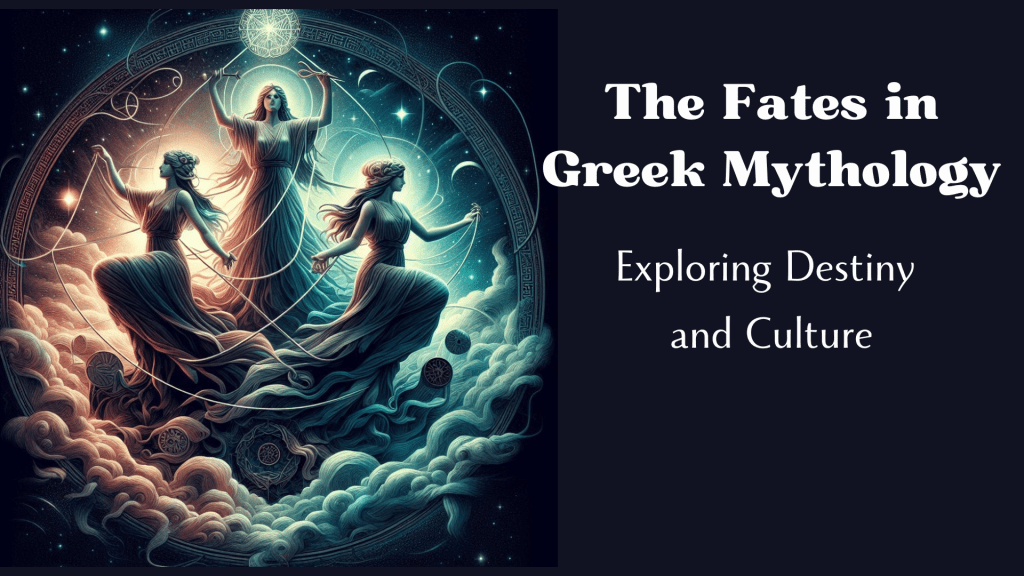
We delve into Perseus’s heroic journey, his character development, and the moral dilemmas within the narrative, enriching students’ understanding of the story’s themes. Having pre-taught the Fates in Greek mythology and how Perseus’s journey fulfills their prophecy helps students to consider the idea of individuality vs. inevitability.
Teaching The Rage of Achilles
Achilles is another look at a famous Greek hero that I love to include. Specifically looking at “The Rage of Achilleas “.
Achilles, the legendary Greek hero of the Trojan War, was also subject to a prophetic warning at birth. His mother, Thetis, received a prophecy predicting that Achilles would have two fates: he could either lead a long and peaceful life without renown or die young but achieve everlasting glory.
This prophecy, delivered by the seer Calchas, set the stage for Achilles’s renowned deeds and tragic fate, highlighting (once again) the interplay between destiny and free will in ancient Greek mythology. Thetis tried as hard as she could to shield her son and avoid this fate, but ultimately it came down to Achilles’ desires despite knowing what awaited him.
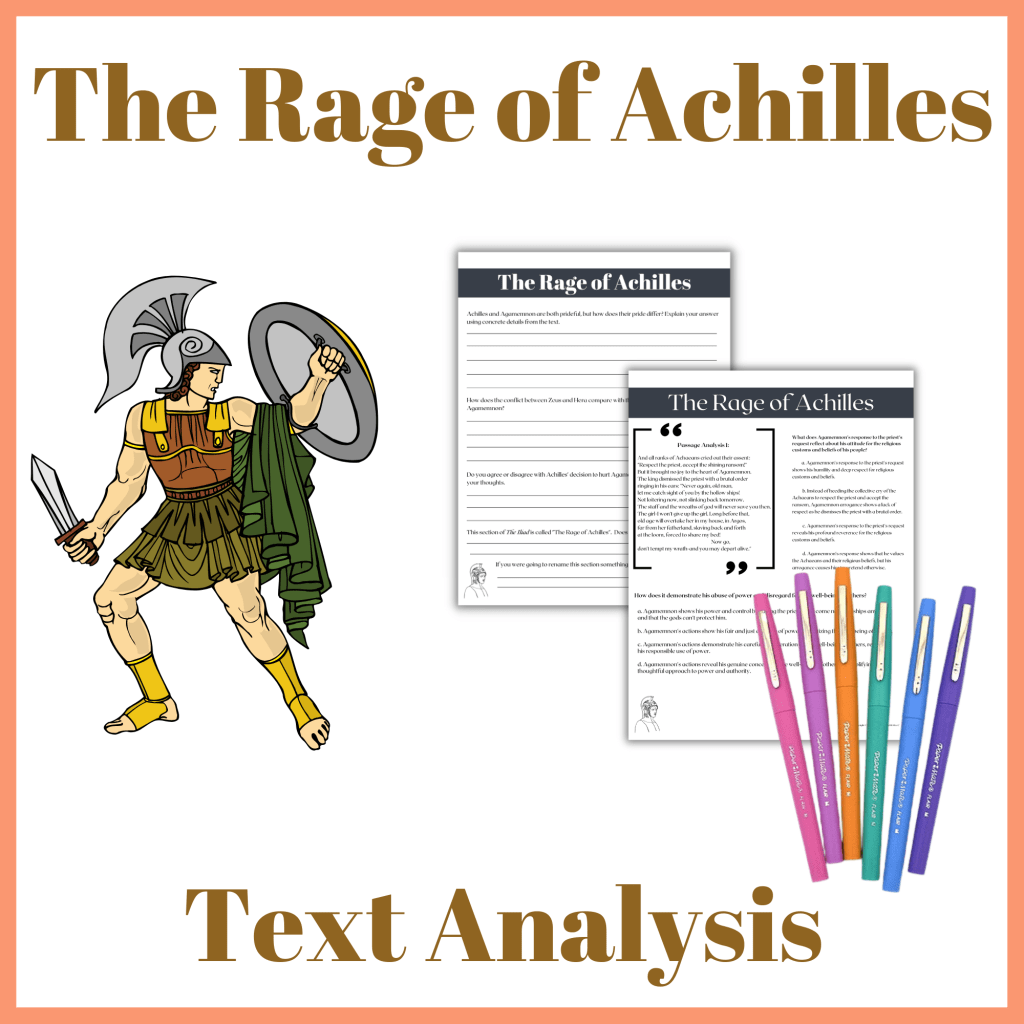
The “Rage of Achilles” is a central theme in Homer’s “The Iliad,” depicting the fierce and uncontrollable anger of Achilles. Triggered by a dispute with Agamemnon over a captured maiden he viewed as his prize, Achilles withdraws from the Trojan War, leading to devastating consequences for both the Greek army and himself. This rage, fueled by wounded pride and a desire for vengeance, drives much of the myth’s conflict and illustrates the destructive power of unchecked emotions in the face of honor and glory.
What is interesting to note and discuss about looking at this hero is when he openly weeps while speaking with his mother about the disrespect he was receiving.
Does this behavior change our initial thought of this hero who is often portrayed as an arrogant hothead? Does it add to the complexities of what it means to be a culture’s “hero”? Can he both?
Teaching Atalanta
Atalanta is the perfect hero to close out the Greek mythical heroes! She is the only female Greek hero (that I have found at least) and it’s great to compare her to her male counterparts. She is a woman that was left for dead in the woods by her father and raised by bears until a kindly hunter finds her years later and takes her in.
The two myths I suggest are: The Calydonian Boar-hunt and Atalanta’s Race (or The Race of the Golden Apples).
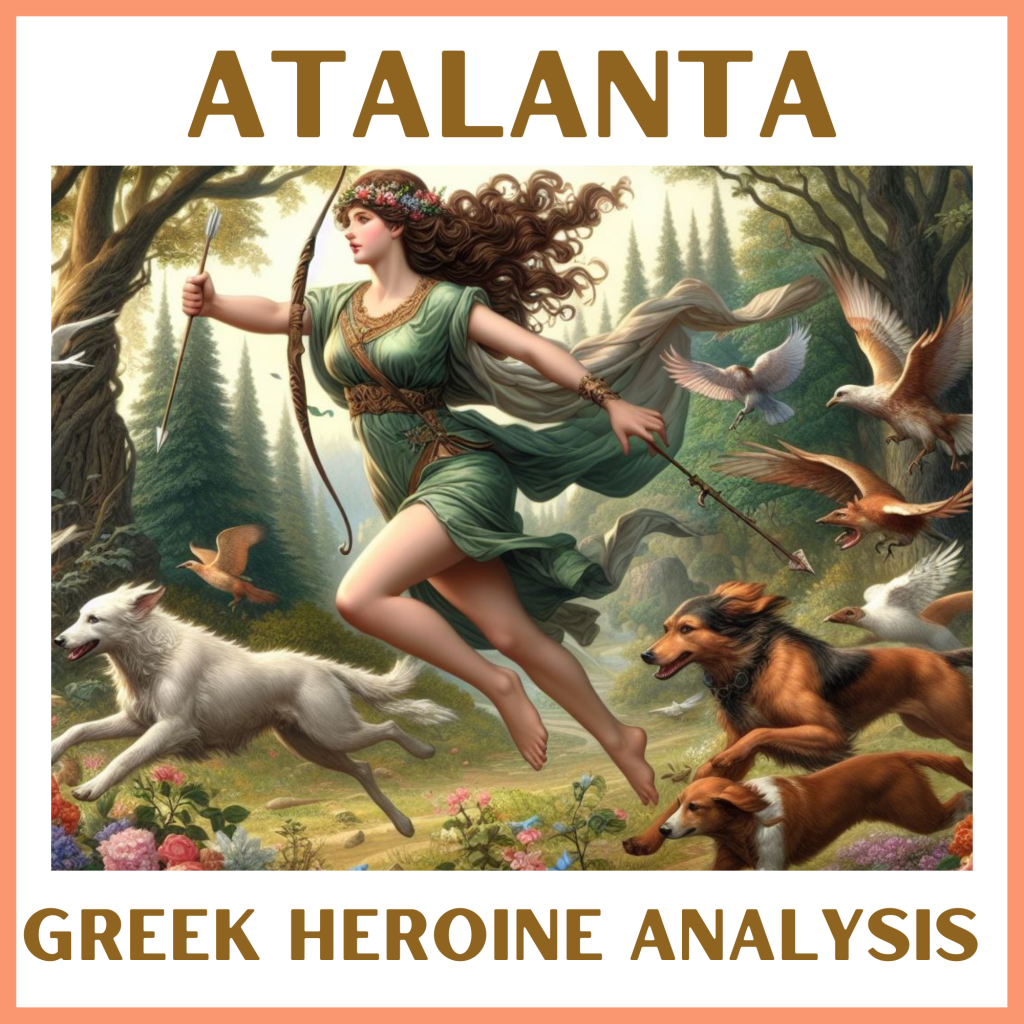
Atalanta is the perfect hero to close out a study on Greek mythical heroes! She is the only female Greek hero (that I have found at least) and it’s great to compare her to her male counterparts. She is a woman that was left for dead in the woods by her father and raised by bears until a kindly hunter finds her years later and takes her in.
The two myths I use are: The Calydonian Boar-hunt and Atalanta’s Race (or The Race of the Golden Apples).
The Race of the Golden Apples
In the myth of the Race of the Golden Apples, Atalanta, returns to the father who abandoned her. When he insists that she marry, she counters that she will only wed a man swift enough to outrun her. She also set a condition: any suitor who failed to outrun her would be put to death. Several suitors meet a terrible fate as they continue to all loose to Atalanta. Hippomenes falls in love with Atalanta at first sight and decides to race just to have a chance at winning her hand. With the help of Aphrodite’s golden apples, Hippomenes wins the race, securing Atalanta’s hand and their own fate.
Adding to the discussion of Atalanta’s greatness that it literally took divine intervention to best her.
The Calydonian Boar-hunt
King Oeneus of Calydon neglected to honor the goddess Artemis, leading her to send a monstrous boar to ravage his kingdom. In response, heroes including Atalanta, Meleager, and others were assembled to hunt down the boar, leading to a fierce battle full of heroism, tragedy, and divine intervention.
Atalanta shows off her superior hunting knowledge by bringing the boar down. Ultimately, though, it was Meleager who slew the boar after Atalanta incapacitated it. However, the outcome of this hunt brought the prophecy that The Fates had foretold to fruition.
In the myth The Calydonian Boar-hunt, it is most interesting to see how Atalanta is compared to the goddess Athena. In fact, Athena admired her spunk so much that she became Atalanta’s patron.
Short on time but want to teach all the Greek mythical heroes we’re coving in this post? This Greek Heroes Mini Unit may be the perfect fit!

If you are feeling inspired and would like to save a little bit of time creating resources for a 6-week Mythical Heroes unit (that includes 2 of these female heroes covered in this post)- check out my Mythological Heroes Around the World Unit!
Final Thoughts
In conclusion, delving into the tales of Hercules, Achilles, Perseus, and Atalanta provides a rich exploration of Ancient Greek values. Throughout these myths, the principles of loyalty, glory, intelligence, and hospitality shine through the actions of the heroes.
Hercules’s unwavering loyalty to his family and atoning for their deaths, Achilles’s pursuit of glory on the battlefield, and Perseus’s cleverness in facing challenges showcase these enduring ideals. Atalanta’s remarkable skill in athletics and her determination to forge her own path in a male-dominated world also exemplify the enduring spirit of independence and perseverance.
Moreover, the presence of the Fates, weaving their threads of destiny, underscores the Greeks’ belief in the power of fate and the inevitability of one’s path. By studying these myths, students not only gain insight into Ancient Greek culture but also reflect on the timeless themes of human existence encapsulated within these captivating stories.
Join my weekly newsletter!
Would you love to get weekly tips and resources for teaching secondary English delivered right to your inbox? Click here to join!
 Around the World With Mrs. C