

Gothic literature is always a win with high school students. We are often drawn to the strange and macabre things in life. The eerie settings, mysterious characters, and dark themes captivate our imaginations, pulling us into worlds where the line between reality and the supernatural blurs.
These stories not only entertain. They also provide rich material for exploring complex themes like fear, isolation, and the human psyche. By incorporating Gothic literature into your curriculum, you can engage students in discussions that challenge their perceptions and inspire creativity.
In this post, I am sharing my favorite Gothic texts to share in my high school English. In fact, I have a Gothic Literature and Writing bundle you can find here to easily teach these texts and more in your classroom!

Gothic literature is characterized by elements of fear, horror, death, and decay, as well as supernatural elements such as ghosts, monsters, and demonic entities. It often explores themes of madness, guilt, and transgression, and features gloomy settings such as castles, graveyards, and haunted houses. It also often features strong and mysterious characters, including the Byronic hero, who is typically brooding and dark.
Dark Romanticism vs Gothic Literature
Dark Romanticism and Gothic literature are often interchangeable as they both have similar themes of morbidity, the supernatural, and the macabre.
However, they differ in their approaches.
Dark Romanticism delves into the psychological aspects of human nature. It explores the consequences of sin and guilt. Gothic literature tends to focus more on physical manifestations of horror. These include eerie settings and mysterious occurrences.
Even though these genres are SLIGHTLY different, they both focus on exploring the darker sides of life, allowing readers to face their own fears and worries in a safe, fictional setting. This often reflects society’s issues and criticizes common beliefs and values.
All this to say, that while some of the texts in this post are technically labeled as Dark Romantics, they are also often lumped into Gothic literature since they are so closely related.
The Legend of Sleepy Hollow
“The Legend of Sleepy Hollow” follows the story of Ichabod Crane, a lanky and superstitious schoolteacher, who arrives in the quaint village of Sleepy Hollow. He becomes enamored with the beautiful Katrina Van Tassel and vies for her hand against the brawny Brom Bones.

One spooky night, as Ichabod is riding home, he encounters the legendary Headless Horseman. This leads to a thrilling chase through the dark woods that leaves Ichabod’s fate shrouded in mystery.
What I extra love about this story is the way that Irving wrote it so that none of the characters were “good”. Brom Bones is a bully, but Ichabod is solely focused on wealth and status… and spineless.
“How often did he shrink with curdling awe at the sound of his own steps on the frosty crust beneath his feet; and dread to look over his shoulder, lest he should behold some uncouth being tramping close behind him! And how often was he thrown into complete dismay by some rushing blast, howling among the trees, in the idea that it was the Galloping Hessian on one of his nightly scourings!”- Washington Irving
When teaching The Legend of Sleepy Hollow, you can also add in some other fun activities. Such as:
- Comparing with the Disney animated video
- Check out how The Hollow podcast takes a modern twist on the story and challenge students to do something similar
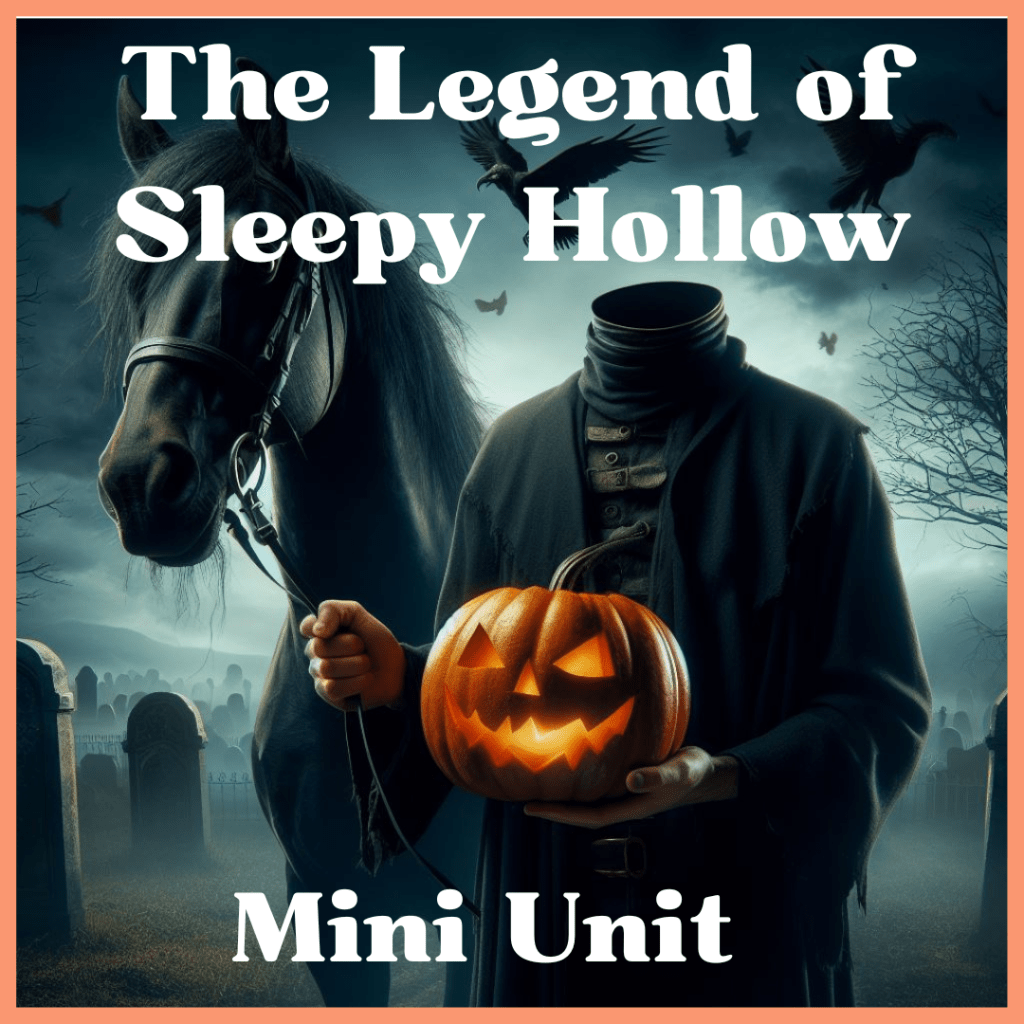
With this product, you can have a lot of fun and creativity teaching “The Legend of Sleepy Hollow”! Including close reads, one pager activities, and fun projects!
The Erl-King by Johann Wolfgang von Goethe
Johann Wolfgang von Goethe’s ‘The Erl-King’ is a deliciously creepy blend of dread and beauty, a hallmark of Gothic literature. The poem tells a chilling tale of a father and his child traveling through a dark and eerie forest, haunted by the mythical Erl-King.
The child is fearful and aware of the Erl-King’s presence. He tries to alert his father. However, his father dismisses his fears as mere imagination and tricks of the light.
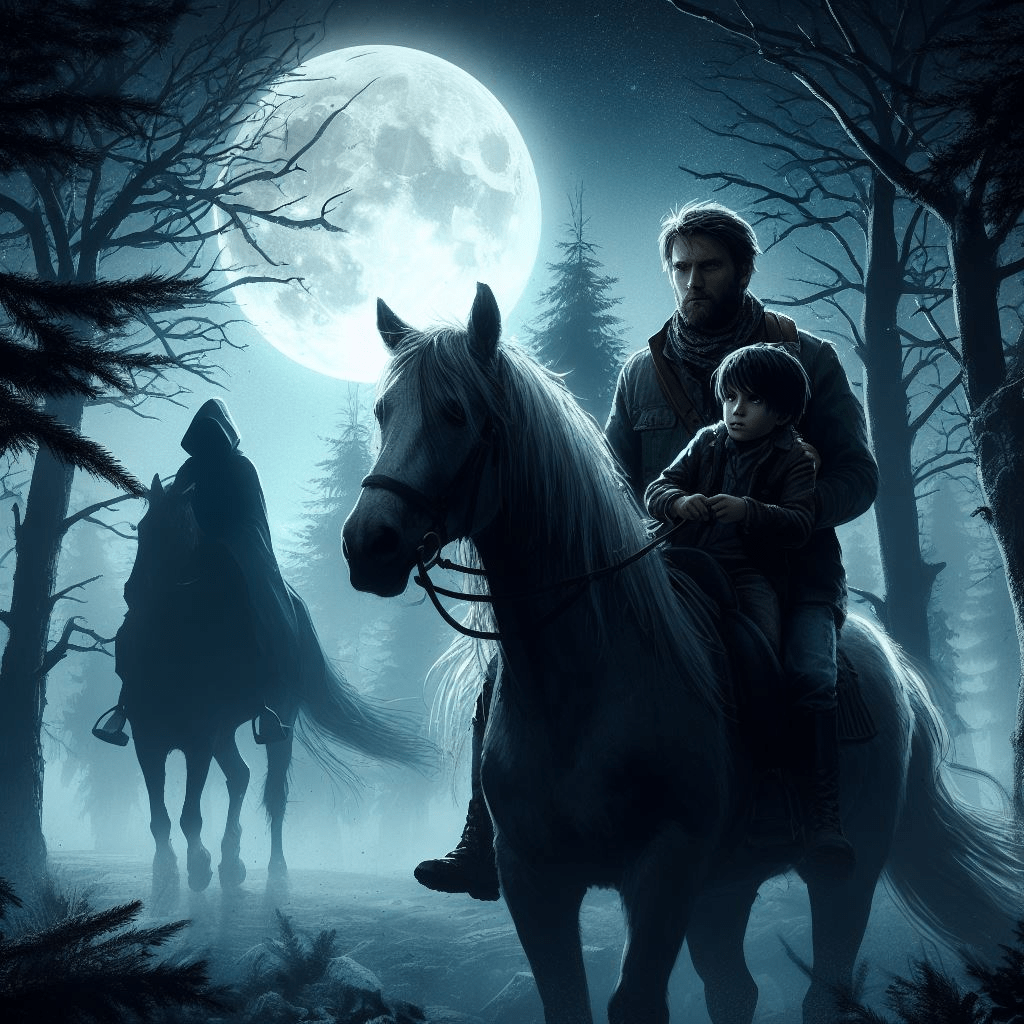
As the poem’s story unfolds, the Erl-King’s advances become increasingly sinister. At first, he offers the boy everything a child would want if he just comes with him (food, parties, games, etc.).
However, the boy continues to refuse the Erl-King and becomes increasingly afraid. It culminates in a tragic ending that leaves the reader with a sense of lingering dread.
I HIGHLY recommend using this recording from Nocturnal Transmissions as it really recatches up the chill and suspense!
Using The Erl-King in your classroom can also lend itself to some fantastic literary analysis on setting. There is so much rich language used that helps put yourself in the scene and feel the terror that the boy feels. It is also perfect for discussing dramatic irony since the reader can see what the father cannot.
You can easily teach “The Erlking” with my poetry analysis activity. With it you can immerse your students in this eerie Gothic ballad.

This resource helps you incorporate “The Erlking” by including:
- a visually engaging Mythology Presentation shedding light on the backstory of The Erlking
- challenging vocabulary handouts to support academic needs
- 5 different writing prompts
The Fall of the House of Usher
“The Fall of the House of Usher” by Edgar Allan Poe is a haunting tale. It follows the narrator as he visits his childhood friend, Roderick Usher. He finds Roderick in his decaying family home. The story unfolds with an ever-growing sense of gloom and dread. It reflects the deteriorating mental health of Roderick. It also shows the declining physical health of his twin sister, Madeline.

As the plot continues, it is revealed that the Usher family is plagued by a hereditary curse. This culminates in the end of not only the Usher family, but their home as well. Leaving the reader questioning the boundaries between reality and the supernatural.
I love to first show this animated short film version of the story. It gives students an engaging overview of the story before we dig into the language. I find this is especially helpful for my ELL students who are already struggling with the language.
Edgar Allan Poe’s use of descriptive language and symbolism creates an unsettling atmosphere. This chilling ambiance makes it an excellent choice for honing literary analysis skills. Help your students to dive in deep to the imagery, characterization, diction, and mood with these close read handouts!
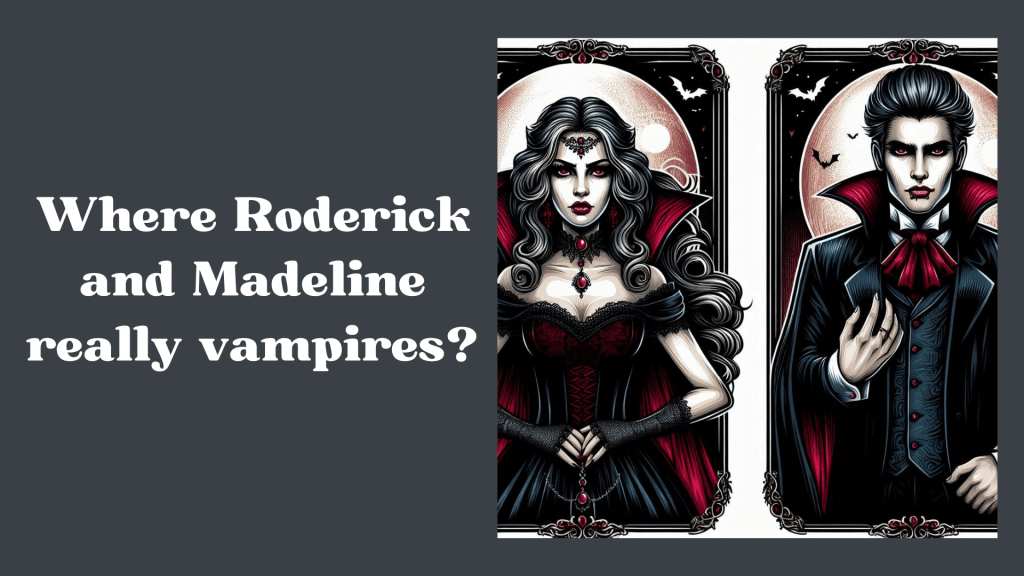
You can also have a lot of fun having students re-examine the text and determine if Roderick and Madeline were actually vampires! In this product, I have also included everything you need to have students complete this creative project that also sharpens critical reading and thinking skills.
Teaching Frankenstein
If you are looking for a longer Gothic text to share with student, Frankenstein by Mary Shelley is a must!
It is a prime example of Gothic literature, combining dark settings, complex characters, and themes of horror and isolation. The novel’s spooky locations, like the icy Arctic and the grim labs where Victor Frankenstein works, create a feeling of fear and suspense.

Victor and his monster show the dark side of human nature and the results of breaking natural laws. The story also explores deep themes, like the fear of the unknown and the loneliness from both obsession and being rejected by society.
By using these elements, Frankenstein not only shows what Gothic literature is but also makes readers think about their own fears and moral choices.
Try a Gothic Writing Activity
After reading so many great Gothic texts, you will absolutely want to give your students a chance of making their own!
I love to make guided writing prompts in which students are given loose prompts to guide them during their writing. Along with the prompts are visuals and sound effects to immerse them into their own story.
When covering Gothic writing, I love to turn up the creep factor with this activity that has students imagine being in a real haunted house. Even though they are all doing the same activity, they all turn out unique.
Other teachers love this too! Check out this review:
“I used this in the middle of our gothic literature unit when I had to have a substitute. This worked well because students could work at their own pace, it was immersive and fun! When I came back, my students were so excited for me to read their work. They were really proud of themselves!”
— Linda I.
Take a sneak peek below!
You can also try giving your students a simple outline. They can select Gothic features from it to run with and make their creepy stories.
Final Thoughts
I hope that you have found some inspiration on some deliciously creepy ways to have fun with Gothic literature in your class! Whether it be short stories, poetry, novels, or writing, have a blast!
Be sure to check out this Gothic Reading and Writing bundle for a discount on all the products in this post!
Join my weekly newsletter!
Would you love to get weekly tips and resources for teaching secondary English delivered right to your inbox? Click here to join!
 Around the World With Mrs. C