

Wondering what a world literature high school curriculum could look like? Curious how you can build world literature thematic units? Are you trying to get together your World Literature pacing guide?
You have come to the right place!
❤️ Would you LOVE to check out a scope and sequence for the full year to see how you could put this product to use?! Download it here!

Why teach World Literature thematically?
I firmly believe that teaching World Literature thematically is the best approach for several reasons. When we study literature thematically, we explore overarching ideas and concepts that transcend geographical boundaries and cultural differences. This approach allows us to delve deeper into the universal human experiences, themes, and issues that connect us all as human beings.
It broadens our student’s perspectives, fosters empathy, respect, and understanding for different cultures, and fosters a more inclusive worldview.

Teaching World Literature thematically also encourages critical thinking and analysis. By examining themes across different texts, students can compare and contrast the ways in which authors from different cultures and time periods approach similar subjects. This develops their analytical skills, fosters a deeper understanding of literary techniques, and promotes the ability to interpret and evaluate complex ideas.
By exploring themes in World Literature, students can connect the texts to their own lives and contemporary issues. Themes such as power, inequality, and social justice remain relevant throughout history and across cultures. By examining these themes, students can develop a greater awareness of the world around them and become more engaged citizens.
What follows is a broad overview of how I like to approach World Literature thematically with my students.
If this world literature pacing guide sounds like a good fit for you, but you just have too much going on to create everything yourself check out this product. With this you can rest easy knowing that you have everything you need to make it through the year!

I remember when I was told that I would be teaching 10th grade World Lit. I was beyond thrilled. I have been reading world literature since I was a child and it was my focus in college as well. I have read far more literature from around the world than I have from authors here in my own country.
Plus, I love 10th grade. Freshman are still a little too immature and you spend a lot of time teaching them how to be students and how to prepare for a standardized test. Sophomores are just a little more grown up, know the expectations better, but aren’t yet itching with senioritis. So, in so many ways, this is my sweet spot.
However, many (especially new teachers) I have known are thrown for a loop when they find out they are teaching World Lit. They feel it’s going to be an agonizing year of boring ancient texts. But, let me take you on a journey to show you how engaging it can be! This post will take you through a typical year in my classroom as well as share some of the resources I use to engage my students.
Quarter One- Archetypes and The Hero’s Journey
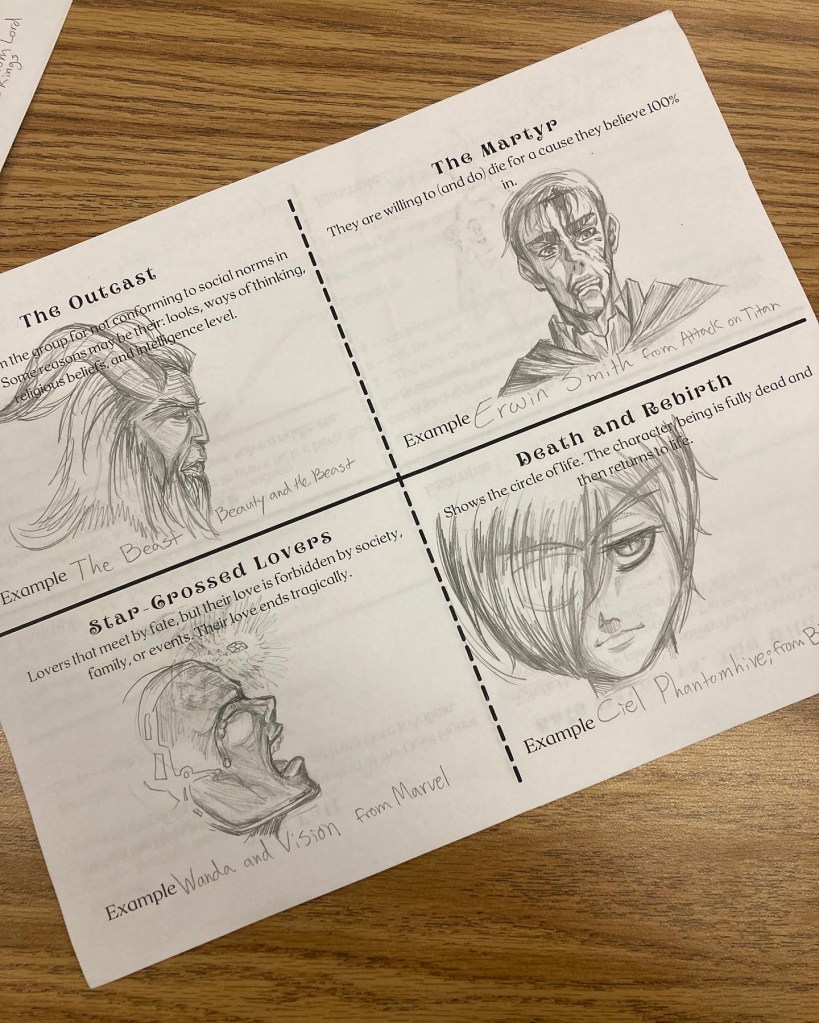
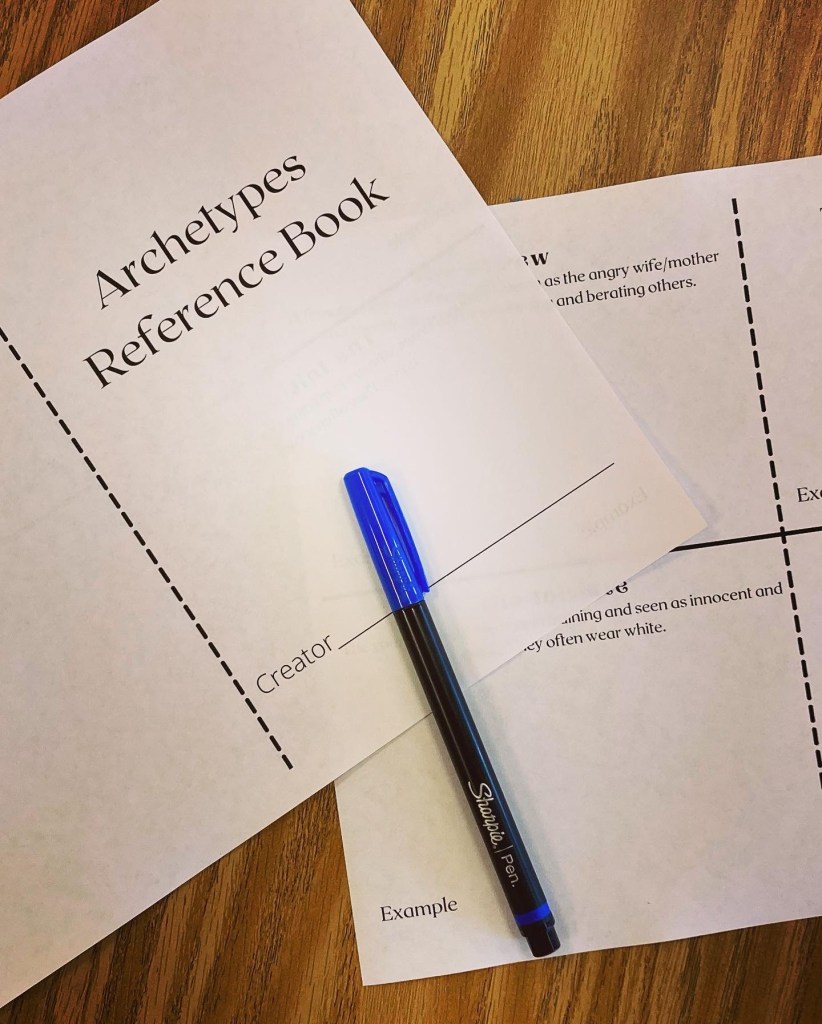
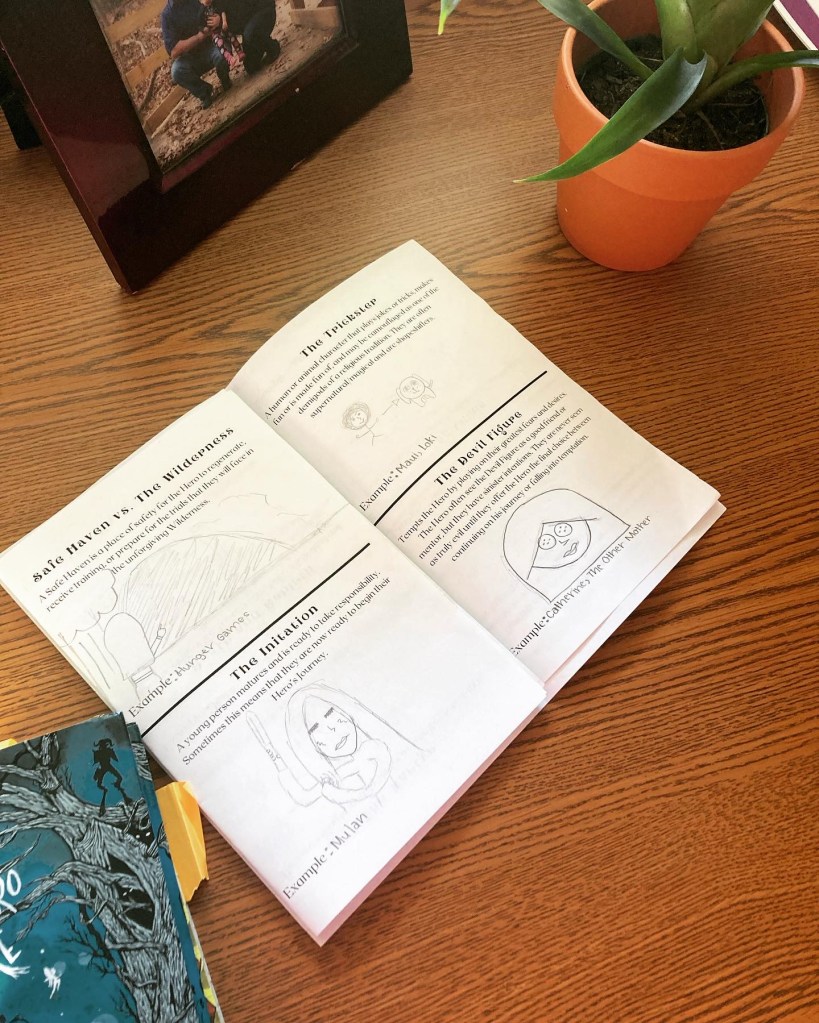
I love to start my year out with teaching archetypes and we spend the first 3-5 days on it and we make a reference book together:
- We go over the archetype
- the characteristics of that archetype
- and then brainstorm modern examples they know it from
They then record their example and draw a quick image to go with it. We then learn about The Hero’s Journey in detail to prepare for our first large unit of study.
They keep these reference books on them all year long and refer back to it often. This may sound like “busy work” at first glance. But I promise you, once they know these, analysis becomes incredibly easy.
Mythical Heroes Around the World
This is my first thematic unit of the year!
Each week we cover mythical heroes from different cultures around the world:
Ancient Greece, Norse, Japanese, Chinese, Briton, and Indian. With each new culture, we learn about the culture, their religions, their customs, and cultural values. Then we look at the major mythical heroes and how they reflect these aspects of the culture.
While we read their stories, we also discuss the questions such as: What does a Hero’s story teach us about the culture and their values? Are heroes essential to human beings? What can we learn from the struggles that hero’s go through?
For Ancient Greece we first learn about their cultural values of:
- Loyalty
- Glory
- Intelligence
- Hospitality
Then, we look at Perseus, Hercules, Atalanta, and Achilles. This is also the perfect time to add in portions of The Iliad or The Odyssey if you like. Throughout this focus, you can also point back to those cultural values outlined at the start. How does Perseus show loyalty? How did Theseus show intelligence?
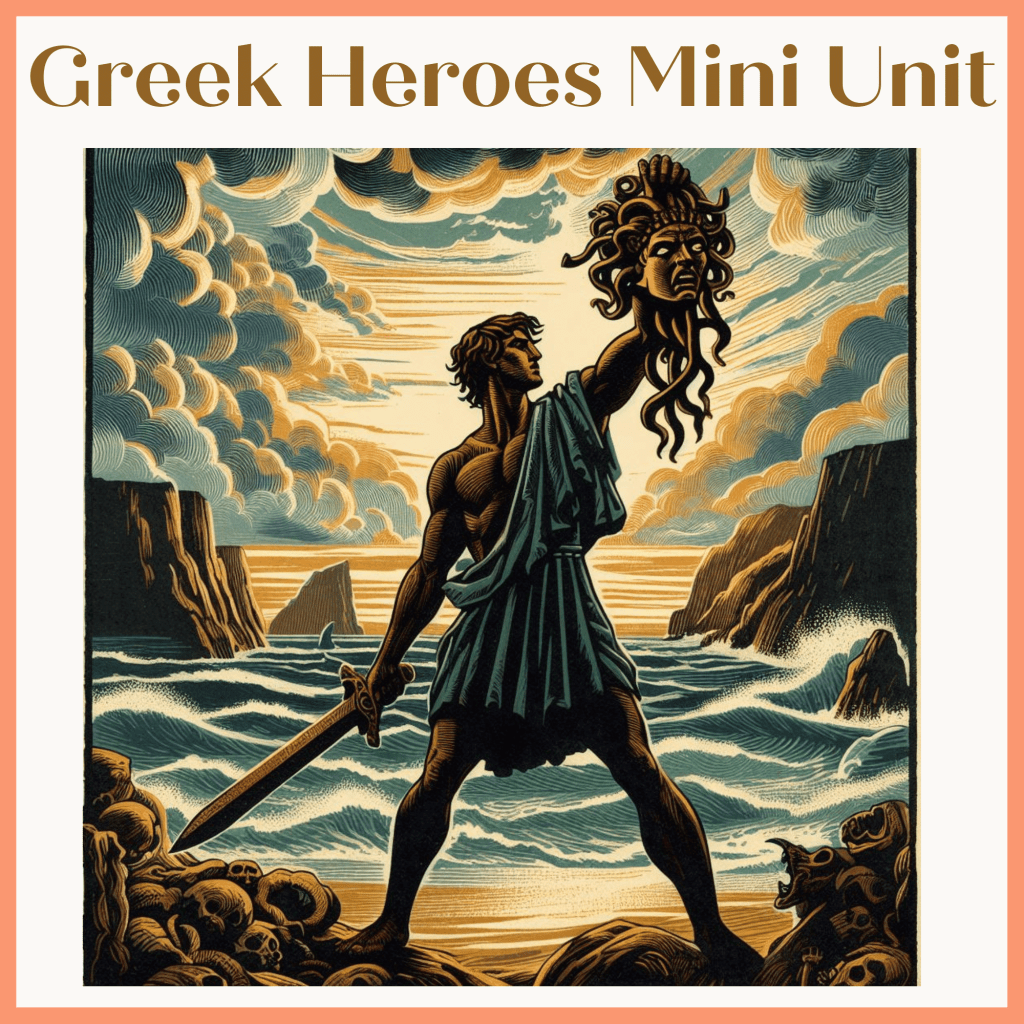
Also, some other good driving questions may be: In what ways would you say we are similar to the Greeks and their hero worship? After reading these famous Greek hero stories, what would say are some underlining themes? What did the ancient Greeks idealize?
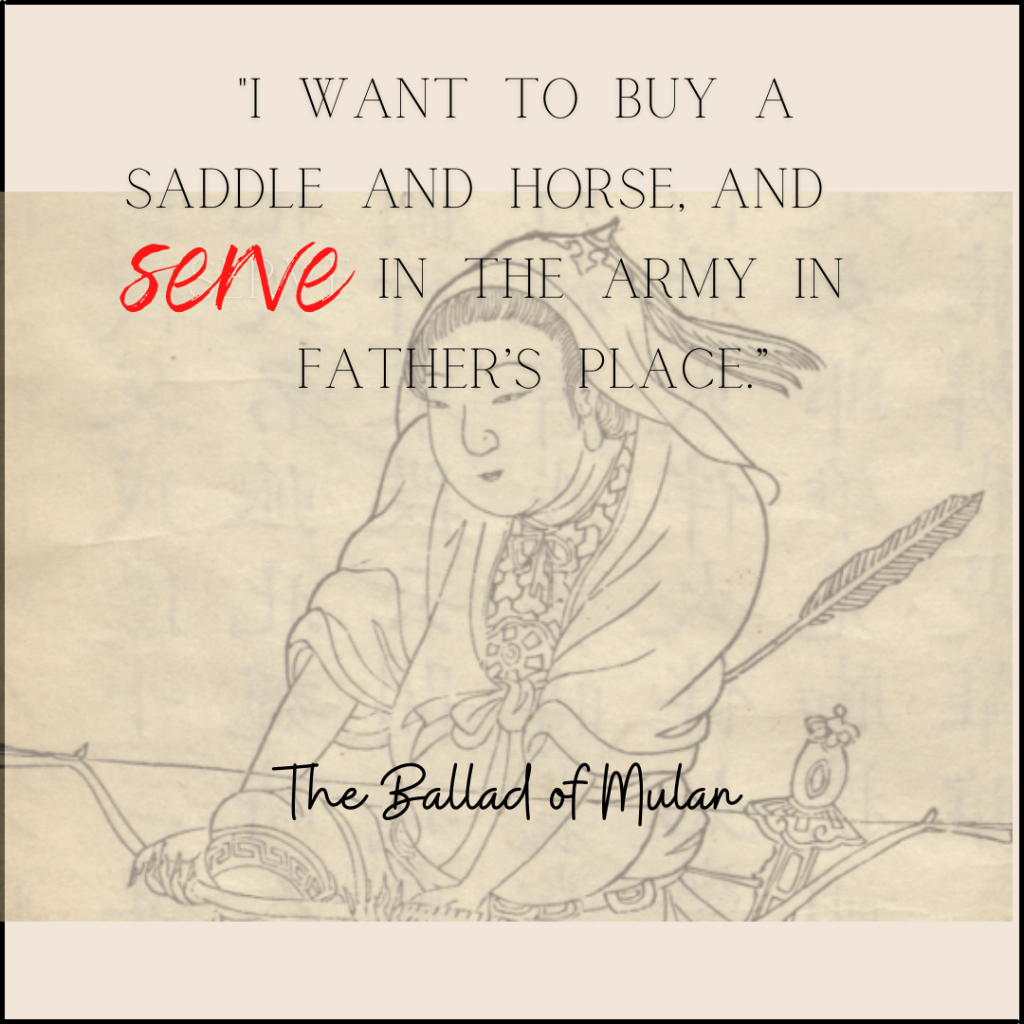
After coving Ancient Greece, we then look at Asian studies with Prince Yamato from Japan and Hua Mulan from China. Along with this, students also learn about Confucianism teachings from China and Shinto beliefs from Japan.
Next, we move into Norse mythology. With this we spend some time learning about the Vikings history, religion, societal structure, and more before reading myths about Odin and Sigurd. When reading Odin Discovers the Runes you can easily discuss the emphasis of education and the ability to read as significant with the Viking culture.
After learning so much about Viking culture, it only seems natural to move on to a mini study on Beowulf. With this focus a fantastic driving question to add in is: How did societies that had been conquered multiple times and therefore have blended cultures (like early Briton) display this in their heroes like Beowulf?
Beowulf is a fascinating hero to look at as he exemplifies everything the Vikings valued along with a Christian twist. With this study students will further explore the thematic topics of bravery, reputation, leadership, and revenge and elements of plot (foreshadowing, setting, and characterization).
We then finalize this journey with our modern day fascination with Hero Worship and take about 1-2 weeks examining comic book heroes and how they highlight American Values through the past 80+ years we have been making them.
This unit of study is always a hit and a fabulous to engage your kids from the start. At this point it is also easier to now connect the dots of how we are similar to our ancient societies that also valued stories of mythical heroes.

Quarter Two- Suspense
By the time we have wrapped up our hero unit, we are approaching the month of October. This is where I like to have some fun and engage with everyone’s fascination with the macabre and do a mini unit analyzing suspense, horror, and gothic reading and writing. I focus this mini unit around the question,
“Why do we like to be scared?”
Students are given a list of curated short texts from around the world to do independent assignments with. These range from mild creepy (think A Rose for Emily) and some are far more scary. This way students can read to their desired scare level.
As a whole class we listen to and discuss season one of Limetown. If you have not discovered Limetown yet, you really should just pause everything in your life and go start listening…..after you are done reading this post of course! This series is always a big win with my students. In fact, the first time I incorporated it, I actually had to speed up my lesson plans because so many students were listening ahead outside of class.
We spend analyzing how the creators of Limetown build up the suspense as well as discussing the “evidence” we gather along the way: What happened to the people of Limetown? Who is “the man they are all here for”? What happened to Lia Haddock?
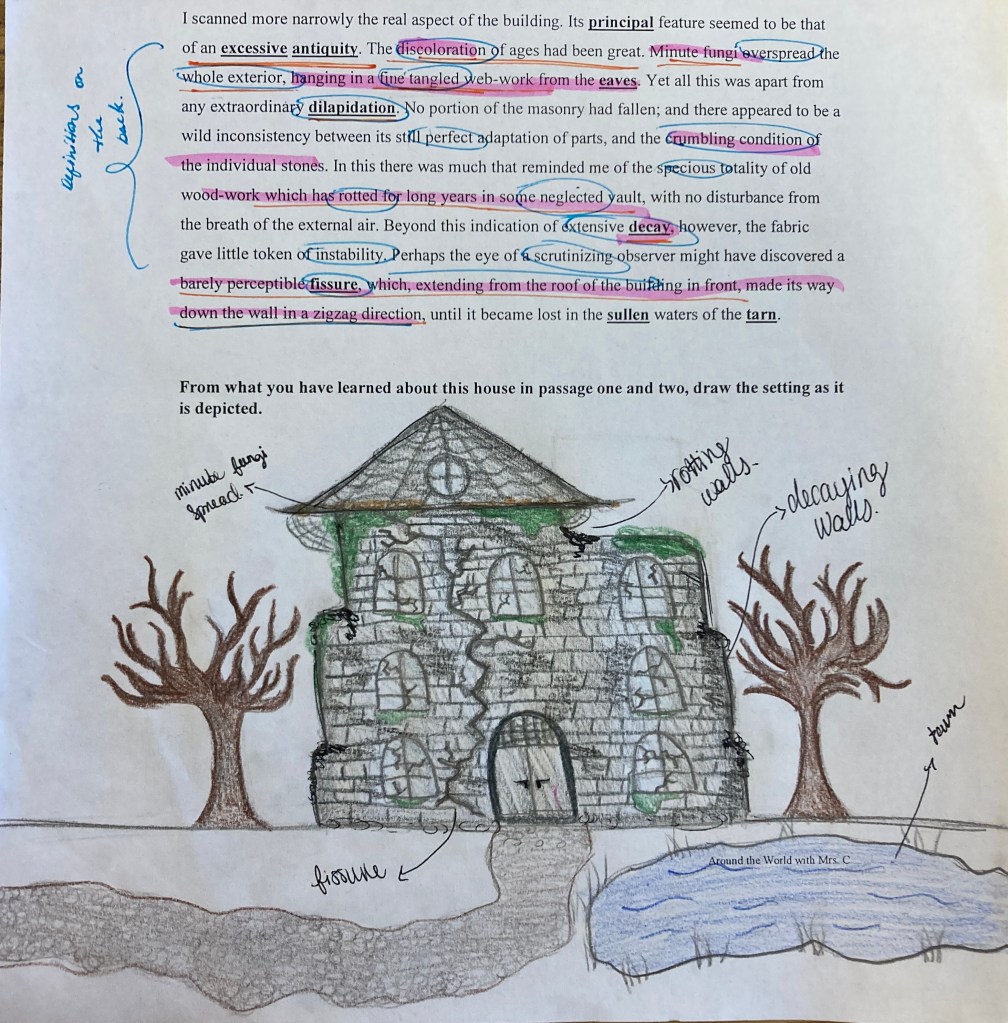
Teaching suspense a great time to read and analyze Poe! With this unit in particular, I love to cover The Fall of the House of Usher.
However, I know this can be a challenging read for many of my students (especially since I work with so many ELL and SPED students). So, I like to make this classic more accessible by showing an animated short film adaptation first. Then we analyze close reads from the original text and even add in some multi-modal art projects with it!
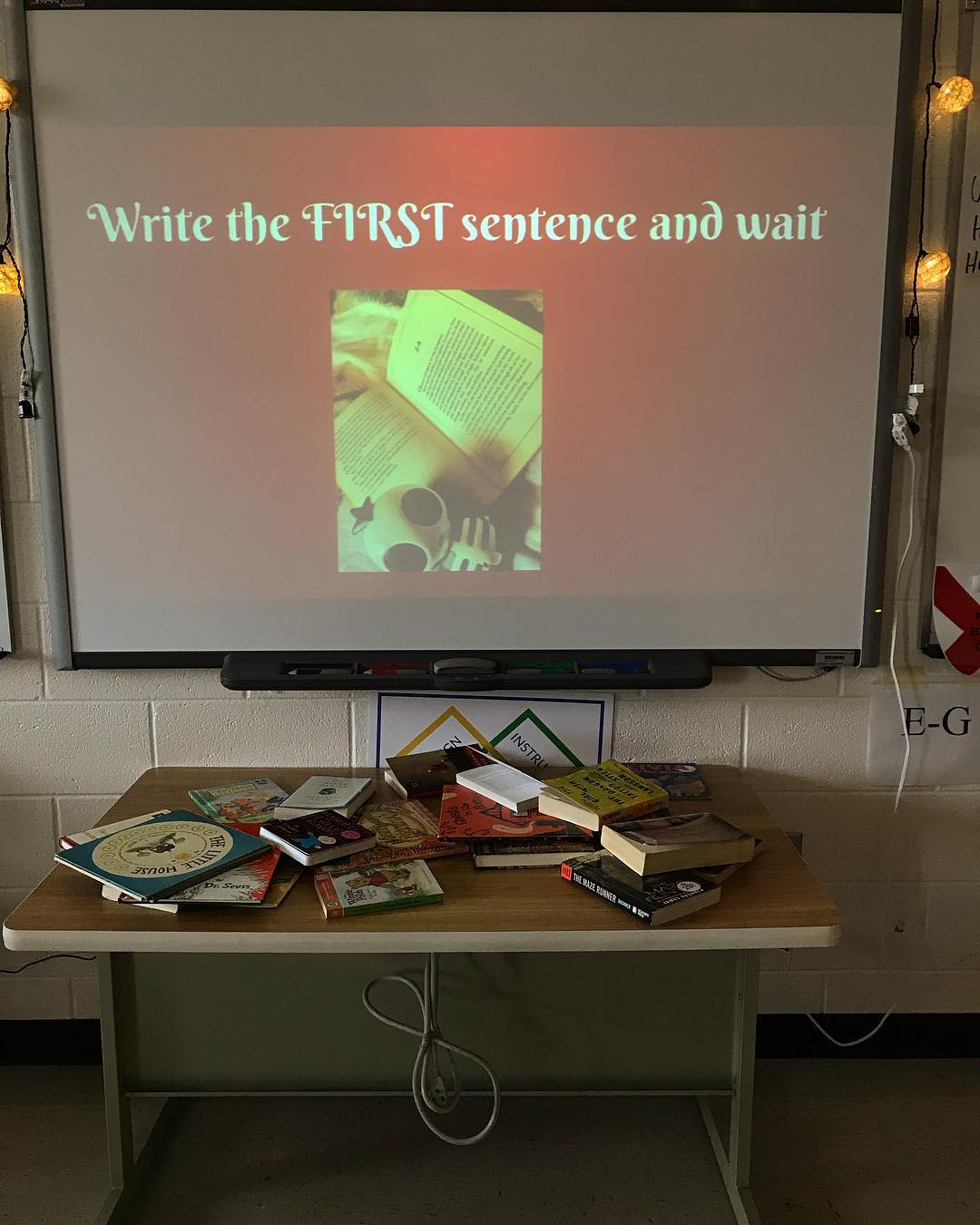
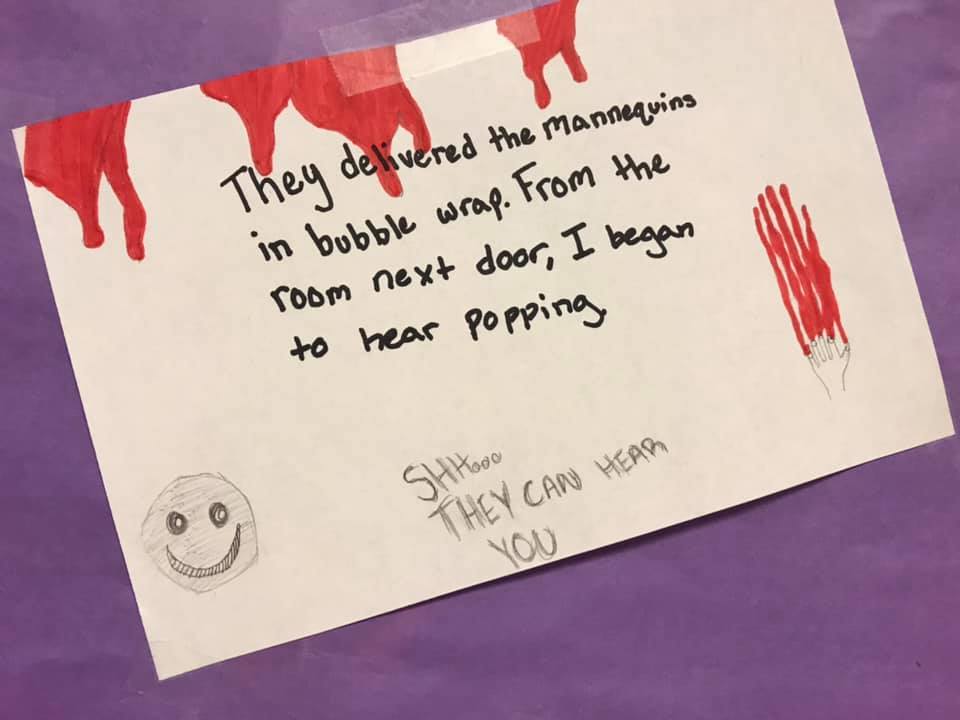
With this mini unit, they also get to engage in a lot of creepy writing assignments. Such as:
2-sentence horror stories
1-sentence horror postcards
lots of quick-writes
a choiceboard at the end for their final piece
On Halloween we either watch an episode of Lore or share some of the creepy things they have created.
Quarter Two Continued- Argumentation
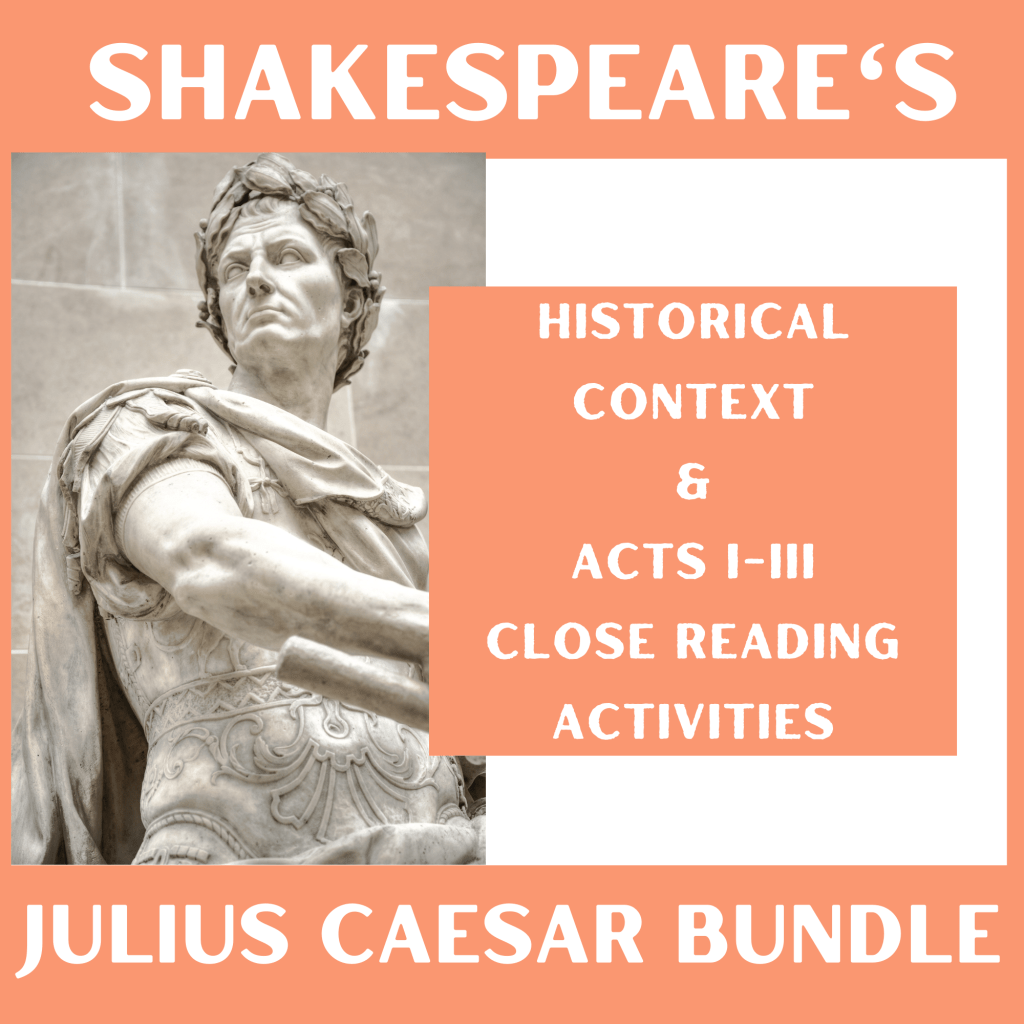
We are now fully in the second quarter of the year and we are looking more closely at persuasion. Enter Shakespeare’s Julius Caesar.
With this study we focus on the intentions of the conspirators as well as motives and discussing whether or not they believe that they did the “right thing” by killing Caesar. I know, this one can be tough. However, I make it a little easier by A) only focusing on Acts I-III and B) treating it more like a film study than literature.
I think this is where a lot of teachers get tripped up; it was never meant to be read like a novel. So, we usually watch a chunk of the play/movie and then zero in on key scenes. We cover logical fallacies, persuasive techniques, audience, purpose, etc. Then they get to move on to their own persuasive pieces and debates.
Quarter Three- Fairy Tales and Project Based Learning Experience
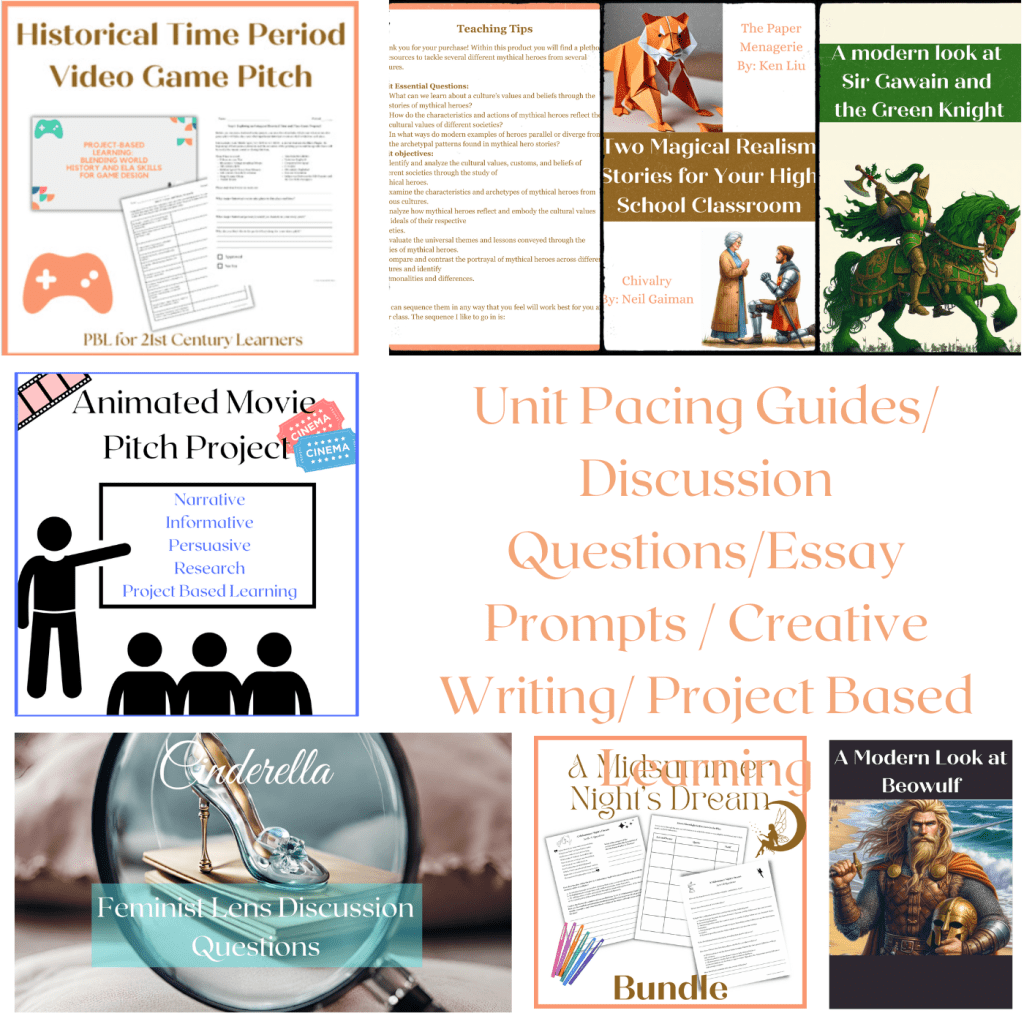
Second semester starts with a trip to Fairy Land and engage in our second project based learning project for the year. With this unit we are looking at how the stories we are engrossed with as children shape our views on the world around us. Students look at how cultural norms are seen in the movies and tales before researching a culture and creating a story that highlights that cultures values.
We take about 6-8 weeks to learn about critical lens theory and then apply several lenses to fairy tales and Disney movies. I find that these lend themselves perfectly to inviting students into analysis. These are stories they already know and love, now they are just looking at them in a more focused way.
With this unit, we cover 5 fairy tales and their Disney movie adaptations:
- Week 1- Review Critical Lens PP. Read Hans Christian Anderson’s “The Little Mermaid”
- Week 2- Review Evil Stepmother Archetype PP. Read Grimm’s Cinderella and Charles Perrault’ “The Glass Slipper” and then Disney’s Cinderella
- Week 3- Read Grimm’s Rapunzel and watch Disney’s Tangled
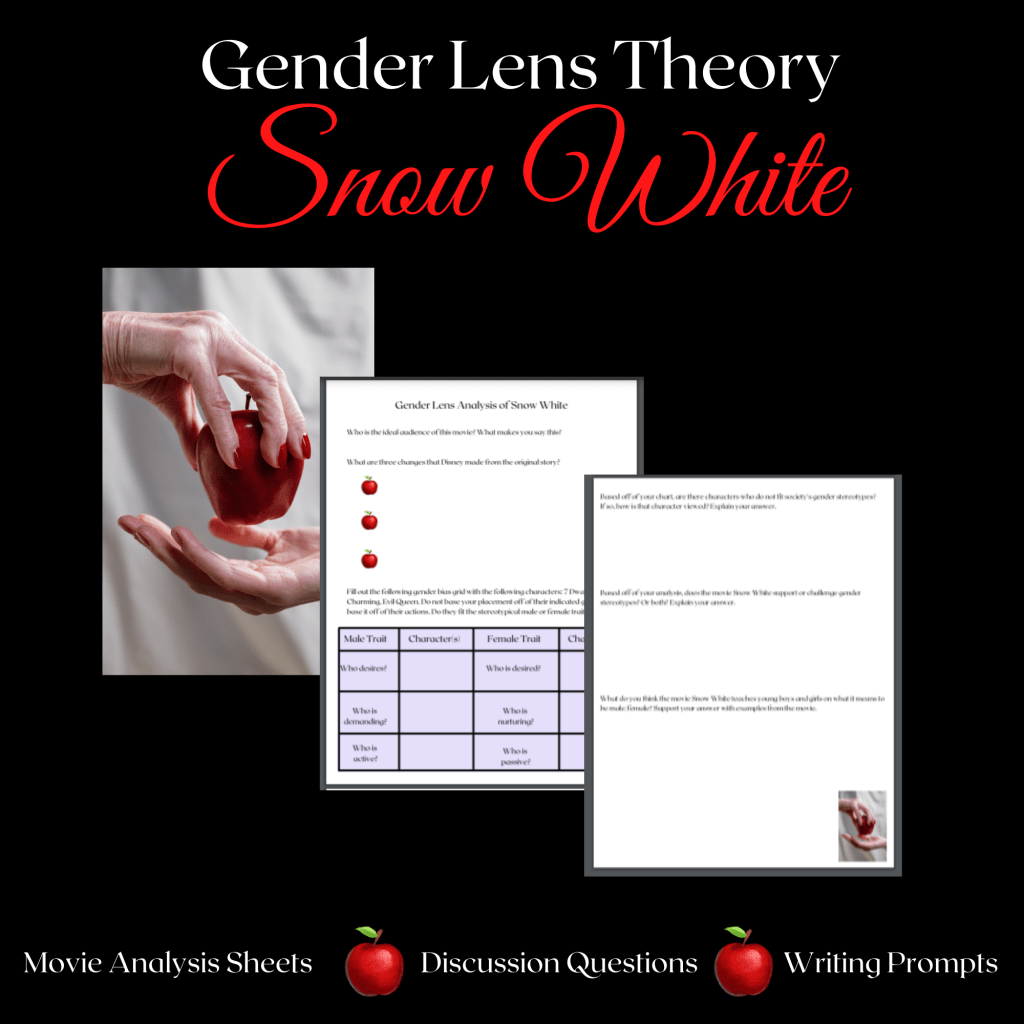
- Week 4- Continue with critical lens theory into Snow White by looking with the gender and archetypal lens in mind. Read the Grimm version and complete Archetypes in Grimm brothers’ “Little Snow-White”. Watch Disney version of Snow White through the Feminist Lens
- Week 5- Read “The Princess and the Frog”. Important things to note here is how the princess is described in the book (extremely white, pale skin with long sparkling golden hair). Cover the multicultural lens theory of taking into account a person’s personal history (race, seriocomic, gender, etc). Watch the movie and complete the viewing packets. This one usually leads into a lot of rich discussion and there are several questions on the packet that are geared towards discussing various viewpoints.
- Week 6- Wrap up and complete any summative assignments you wish to use. I have included essays and projects for you to chose from.

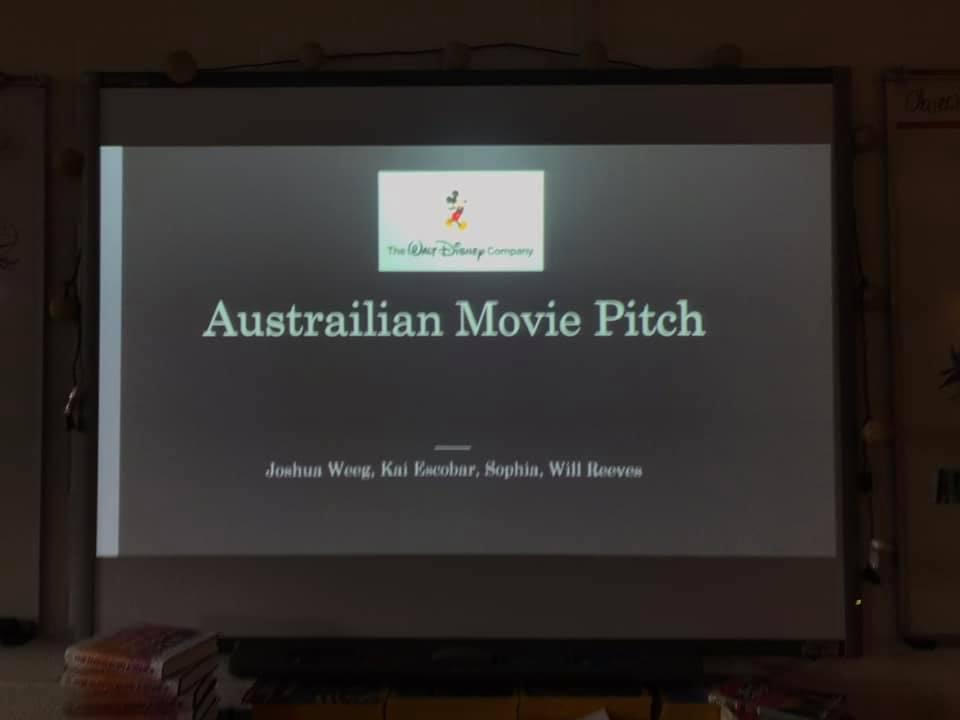
But, the best part is the Disney movie pitch project (for a more detailed look at this check out this post). They dive in and love this one! They are broken into groups and charged with finding a culture that they feel Disney has either not represented or has represented well in their movies. They then research the culture, find a beloved story, and modify the story into a movie idea that Disney would be willing to pick up. However, it doesn’t end there!
I then work with professional members of the community who are willing to come in and judge. It is a big undertaking. My students have to have a storyboard, a sales presentation that breaks down why they should be willing to finance this project, what Disney can expect to gain, etc.
It is a true capstone of all the skills they have been building on all year: narrative skills, cultural analysis, persuasion, and research. Adding in the real world audience takes it to a whole new level and my students always rise to the occasion.
After an intensive few weeks of this project, my kids need a little break.
So, for a few weeks they move into some fun with King Arthur and circle back to The Hero’s Journey and other archetypes found within the stories. Again, we connect it with modern day heroes like Aquaman. Aquaman, like King Arthur, embodies the archetype of the reluctant hero discovering his royal lineage and embracing his destiny as a leader. Both characters wield powerful artifacts symbolizing their rightful claim to authority—Excalibur for Arthur and the Trident of Atlantis for Aquaman. Their quests involve uniting fractured kingdoms and overcoming internal and external challenges to establish peace and order.
Within this mini unit, we also cover portions of Le Morte de Arthur (that I have slightly modernized) and analyzing the archetypes and looking at how you can see the combining of Ancient Celtic traditions and Christianity in the lore. We also learn about my favorite Arthurian legend- Sir Gawain and the Green Knight!
I can’t seem to pair down all we cover in this King Arthur mini unit into just a paragraph or two, so I highly suggest checking out this blog post on how I have modernized this beloved ancient lore for my 21st century classroom!

Quarter Four- Drama
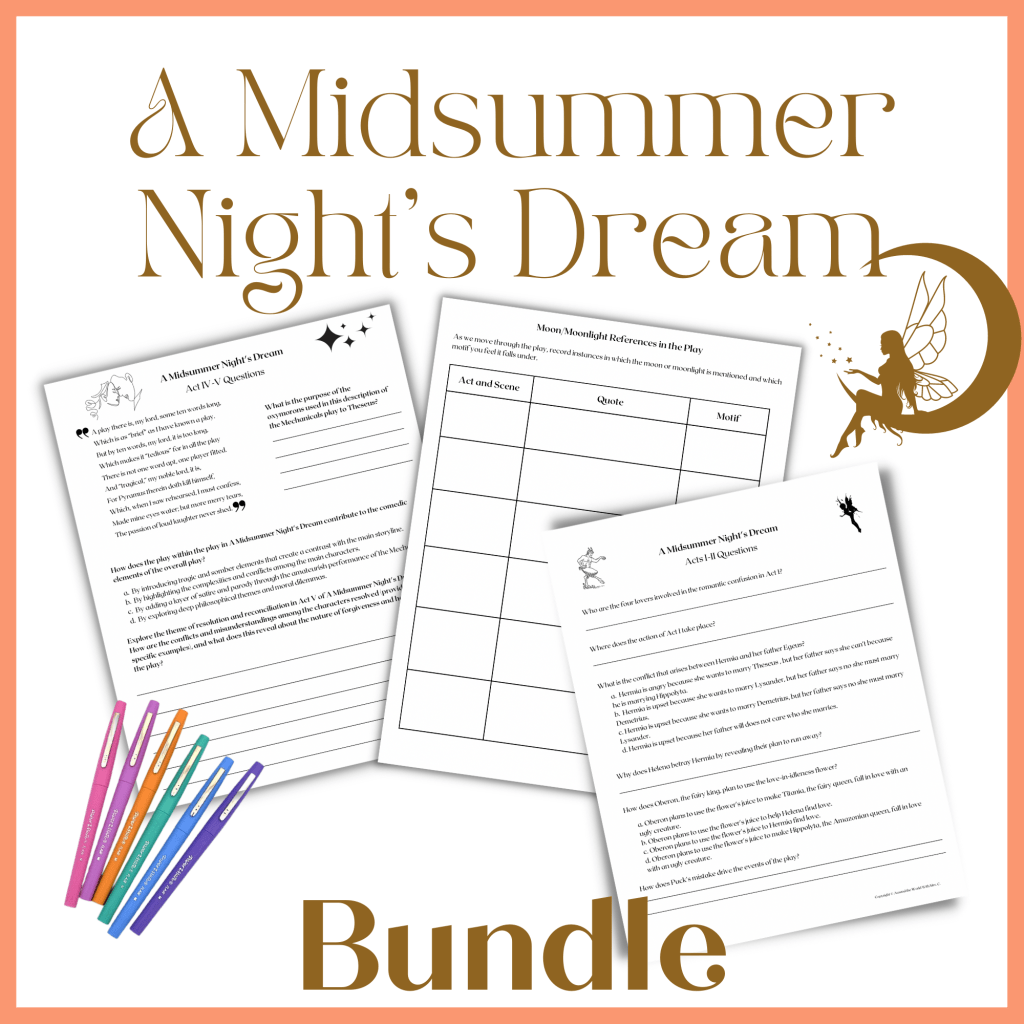
Soon, it’s testing season and we are all over the place. I like to keep things extra light hearted and fun during this time. So, I typically love looking at A Midsummer Night’s Dream. It is my all time favorite play and I want them to experience at least one comedy while in high school lit.
With this we are analyzing the play for the different ways you can see love within the characters. We also look at the multitude of Greek mythology referenced in the play to discuss how writers use allusions to enhance the story.
We have a blast with insulting each other with Shakespearean insults and talking about love in all its forms, parent-child conflicts, romantic conflicts, and so much more.
Again, I like to approach all Shakespeare plays as a film study. We watch a portion of the film version and then zero in on key scenes together. This usually takes me about 2 weeks to cover. This is a fantastic resource to get students hooked from the beginning!
If you want more ideas on how you can tackle a thematic unit on the complexities of love with world literature, check out this post!
Final Thoughts
This completes a very broad overview of my typical year in 10th grade World Literature class. However, there are so many other things I sprinkle in like book clubs, short stories, and the occasional whole class novel. These are just some of my bigger anchor pieces and add a lot of life to the class.

I just wanted to shed a little light on how World Lit class can be a place of rigor and fun and bring the world to your students. If this sounds like a year you would like to have, you can find my bundle that includes everything I have covered in this post and a few extras here.
Still have some questions? Drop them in the comments!
❤️ Would you LOVE to check out a scope and sequence for the full year to see how you could put this product to use?! Download it here!
Did you find this post helpful and would like more tips like this sent directly to your email box every week?! Join my newsletter!
 Around the World With Mrs. C
Reblogged this on Around the world with mrs. c and commented:
Are you looking for inspiration on putting together your World Literature pacing guide for the new year? Check out this post!
LikeLike
This looks GREAT! Do you have a scope and sequence for your year? I am considering purchasing the full bundle but would like to see a more detailed breakdown.
Thanks,
Brandi
LikeLike
Hi Brandi!
Thanks so much! World Lit is definitely my passion. I do not have a concrete scope and sequence at this time. However, it has been requested a couple of times and now that I’m officially on summer break, it’s on the To Do list for this summer! I would recommend liking my TPT store (or joining my weekly newsletter) for regular updates to see it as soon as it’s released. It will definitely be included with the bundle as well!
Thanks!
Julia
LikeLike
I know you never meant for your curriculum to be utilized for homeschool, however I am so excited to be using it to create a dynamic learning environment for my for my 10th grade son. I have been in lit text evaluation pergatory this past month and I stumbled across your blog post.
I thoroughly enjoyed your fresh approach to World Literature. As a parent, this approach seems to fit current day technologies while grounding them in solid classics.
LikeLiked by 1 person
Thank you! I actually homeschooled 10-12 grade myself, so I actually try to make all of my curriculum broken down in a way that anyone can use it. I’m so pleased that it spoke to you and gives you a light at the end of the tunnel 🥰
I have lots more coming, (even considering starting an Outschool classroom), so feel free to subscribe and stay in touch!
LikeLike
I have tried several times to obtain your world literature scope and sequence and I cannot seem to be able to figure out how to download it. I have looked at your materials on TPT and I am interested, but I need to see how your year aligns with our new state standards and the suggested scope and sequence we have been given. Could you please send the scope and sequence to my email?
LikeLike
Hi Vanessa,
Sorry you’re having some trouble. If you click on the link at the top of this blog post, input your email address, and click “download now” an email will be sent to you to confirm your email (it’s a new requirement from Google). Once you confirm your email, the guide is then emailed to you directly. Let me know if you continue to have issues!
LikeLike
Am I doing this right? I’m trying to confirm by subscription and also download the World Lit thematic scope and sequence.
LikeLike
Hi Vanessa!
Yes, once the subscription is confirmed, your email provider knows my emails can be trusted and it then send you a separate email with the scope and sequence. I can email it to you directly if you continue to have issues. I just need your email address 😊
LikeLike
Thank you for your quick reply! I’ll let you know if I do not receive the scope and sequence.
LikeLiked by 1 person
Thank you for replying to my request for help in downloading your World Literature scope and sequence but I still have not been able to do so. This time I went to the site through your World Lit bundle site on TPT but still cannot download the resource. Would you be willing to email it to me directly?
LikeLike
Clicked the buttons, signed up for the mailing list and still did not get the 16 page guide. What am I missing or not doing?
LikeLike
Hi Marie! I sent you another email yesterday morning that also included the guide. I hope you got it this time.
LikeLike