

Comic books are more than just entertainment—they’re the first truly American literary genre. With roots deeply embedded in American history and culture, these stories of heroes and antiheroes have helped generations process complex social issues, identity, justice, and change. If you’ve never explored comics in your classroom, you’re missing out on one of the most engaging and culturally rich tools in American literature.
When students walk into my classroom they are often pleasantly surprised to see that I actually have comics on display (and on shelves). They are even more surprised when I let them read them!
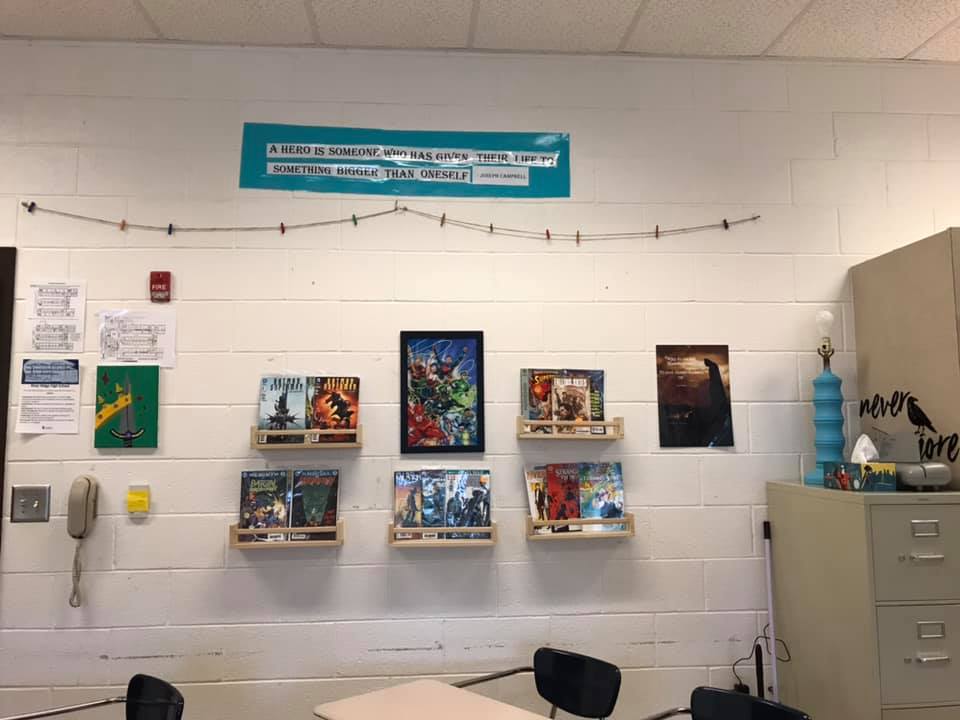
In this post, I’ll share how I use comic book heroes in my high school English curriculum to help students explore cultural values, understand American history, and even create their own modern-day superhero. You’ll get essential questions, multimedia teaching tips, and ideas for high-impact projects—plus a look into the mini unit that pulls it all together.
The Engagement Challenge in High School English
Let’s be honest—getting students genuinely excited about American literature can be tough, especially when many traditional texts feel distant or irrelevant to them. While it’s great for them to read pieces that shaped our history like The Declaration of Independence and Common Sense; it’s not exactly thrilling.
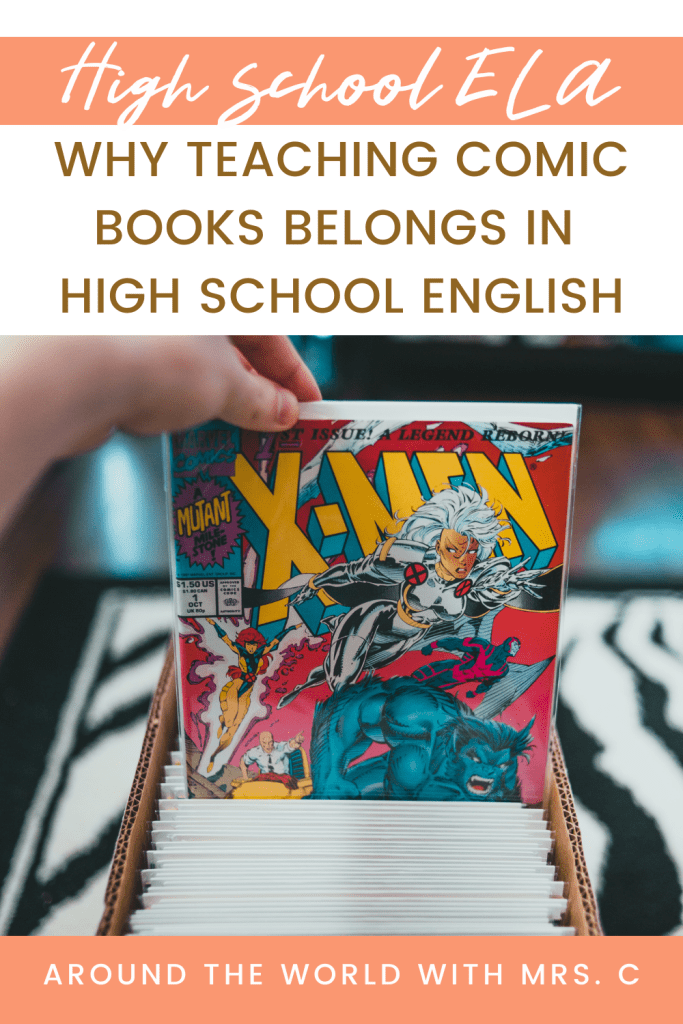
We want students to think critically, analyze complex texts, and understand how literature reflects our history and values. But what if the perfect gateway was sitting in your classroom library already—comic books?
Most students don’t realize that comic books are literary texts that emerged during key moments in American history. From the Great Depression to World War II and the Civil Rights Movement, superheroes evolved as symbols of hope, resistance, and cultural commentary.
Many were the brain-children of poor immigrants who found a home and acceptance creating iconic American heroes (like Superman)! Many were used as social parallels (like the X-men). And they continued to ebb and flow with different events in history.
They are also the first truly American literary movement to have a major impact on the rest of the world. So many of the American literature movements we think of actually started in Europe and slowly made its way to American where it was given a different perspective. But, with comic books, we can discuss how this was the first time America impacted the world with its own movement.
So how do we tap into that power to meet our learning goals?
Bringing American Literature to Life with Comic Book Heroes
Here’s how I build an engaging, inquiry-based mini unit around comic book heroes in high school English. First, I like to anchor my units in a driving question that we can keep revisiting as we move through the unit. For example, here are some questions that could kickstart your studies on comic books:
- How can the evolution of comic books help us understand the relationship between pop culture and social change?
- What makes a comic book more than just entertainment—and worthy of literary study?
This gets our students thinking critically to begin with. These questions in particular help them to consider how literature in general has always been political in some way or another. When we teach about author’s purpose, we are considering the driving force behind the creation of the text. Comic books were never just for entertainment purposes, they have always (and continue to) tackled major cultural and political issues.
Lets take a look at some ways we can help our students explore these ideas.
Start with Story: Watch Comic Book Superheroes Unmasked
Truthfully, my FAVORITE documentary to share with students is PBS’s Superheroes: A Never Ending Battle. It is incredible and rich with the history behind comic books. However, for some reason, it has become impossible to find the past couple of years. I have my purchased copy, but that won’t help you.
So, instead, I would use Superheroes Unmasked. This documentary offers more of a crash course in the cultural and historical significance of comic book heroes. It covers how superheroes evolved in response to wars, political movements, and shifting societal values. In my ready-to-go-unit, I provide a structured note-taking guide so students can track how American history shaped these characters.
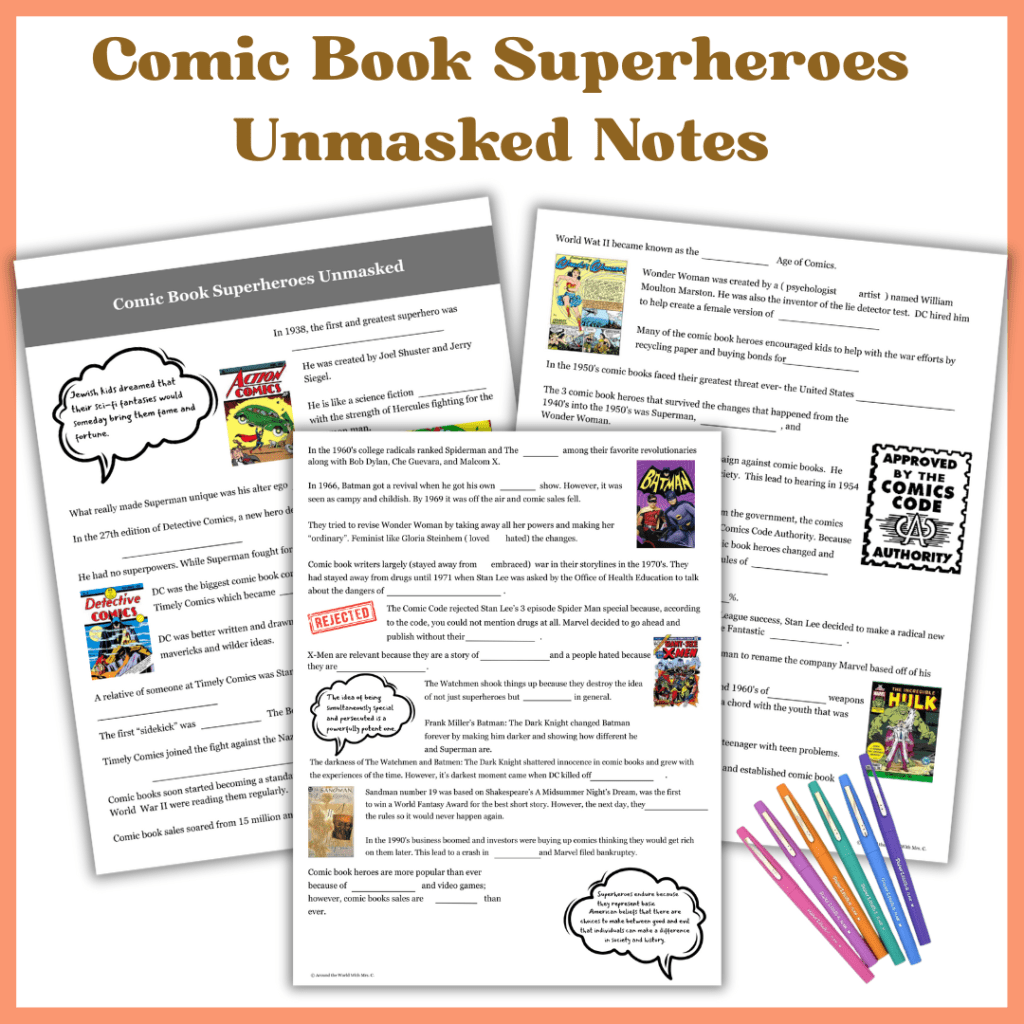
Teaching Tip: After the documentary, let students browse real comics during independent reading time. Have them analyze what American cultural values are reflected in the stories they read.
Dive Deeper with Batman and the Psychology of the Antihero
My students learn pretty early on that I am way more of a DC than a Marvel gal. So, while I do incorporate Spiderman and the X-Men into my classroom, my true favorites to teach are Superman and Batman.
Superman might be our “perfect” epic hero, but Batman is the flawed, relatable figure many students connect with. In my unit, we explore The Psychology Of The Dark Knight Batman Unmasked to examine why Americans (especially after 9-11) gravitate toward darker heroes. Batman’s trauma and moral ambiguity open the door to conversations about justice, power, and individual responsibility.
Key Question: What makes someone a hero in American culture—flawless ideals or human struggle?
I also use the Heart of Ice episode from Batman: The Animated Series to analyze the archetype of “The Fall” and discuss literary terms like foil characters and tragic backstories.
McCarthyism and the Comic Code
To deepen their understanding of the cultural anxieties of the 1950s, I incorporate a research component focused on McCarthyism and the Comic Book Code hearings. My students begin by exploring the claims of psychiatrist Fredric Wertham, who argued in Seduction of the Innocent that comic books were a direct cause of juvenile delinquency.
We critically examine Wertham’s logic and compare it to modern concerns about media influence and book bannings.

Then, students investigate the broader historical context, including the Senate Subcommittee on Juvenile Delinquency hearings of 1954, the rise of McCarthyism, and the implementation of the Comics Code Authority.
Using their research, you can have your students create an informative project—such as a storyboard, one-pager, or timeline—that illustrates how fear and censorship shaped public discourse and the comic book industry during this period.
Write Your Own Comic Hero with a Cultural Lens
Once my students understand and have explored the genre, we move into creation. They brainstorm, draft, and visually develop a comic book hero that reflects an issue from modern American culture—from climate change to immigration to mental health. Using the 3-Act Story Structure, they write a short comic or splash page and explain their artistic choices.
Cultural Tie-In: Superman’s bright palette vs. Batman’s noir tone offers a chance to explore visual symbolism in storytelling.
Analyze Superhero Films Through an American History Lens
I give students the option to analyze a superhero film of their choice. Whether it’s Into the Spiderverse, X-Men, or Black Panther, students explore how the film addresses social justice, identity, or cultural change. This assignment helps students connect modern media to the core values and conflicts in American literature and history.
Resource Spotlight: Comic Book Heroes Mini Unit
If you’re ready to bring this powerful genre into your classroom, my Comic Book Heroes Mini Unit includes everything you need:
- Essential questions and guiding themes
- Multimedia analysis tools (video clips + notetaking guides)
- Comic book reading resources and discussion prompts
- Creative writing and design templates for student-created superheroes
- Project-based learning guide for a final “Create a Comic Hero” task
- Optional film analysis and comparative essay topics
💬 One teacher shared:
“My students absolutely loved this! I have also used elements for other projects as well!”
Wrap-Up: Why Comic Book Heroes Matter in English Class
When students realize that comic books are mirrors of American society, they begin to see literature—and themselves—differently. These stories aren’t just entertainment; they’re powerful tools for analyzing American history, understanding social justice, and exploring the human condition.
By blending close reading, visual literacy, and creative writing, this unit helps students build both critical thinking and empathy.
✅ Want to bring this mini unit to your classroom? Check it out here.
📩 Or, join my weekly newsletter for more ideas like this straight to your inbox.

