Vampires Through Time: Fear, Desire, and the Shadow Self

Vampires are one of the most ancient and widely known mythical creatures, present in many cultures around the world. The oldest recorded vampire myth of from a Babylonian prayer describes demons that devour flesh and suck blood, emphasizing the vampire’s origins as a symbol of primal fear. “Spirits that minish the land, of great strength… … Continue reading Vampires Through Time: Fear, Desire, and the Shadow Self

Teaching About Greek Fatalism through Mythical Heroes

Greek fatalism stemmed from the belief in the omnipotence of the Fates, who determined the destinies of mortals. This idea of predestined fate influenced various aspects of Greek life, including religion, philosophy, and literature. The Fates, also known as the Moirai, are three sister goddesses responsible for assigning destinies to mortals and cutting their life’s … Continue reading Teaching About Greek Fatalism through Mythical Heroes

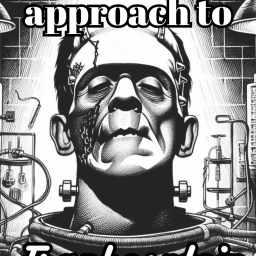
Are monsters born or created? A Thematic Approach to Frankenstein

There seems to be a divide in some circles of ELA teachers between content-based and skills-based instruction. However, there really doesn’t have to be. By providing our students with a rich thematic approach to a central text and a compelling essential question to anchor it in, we can do both! In today’s post, I am … Continue reading Are monsters born or created? A Thematic Approach to Frankenstein

3 Female Mythical Heroes to Teach in World Literature

The content explores the inclusion of female mythic heroes in literature studies. It introduces Atalanta, Hua Mulan, Queen Boudica, Lúthien, and Hervor as exemplary figures. Each character defies stereotypes and embodies courage, resilience, and the power of the human spirit. Their stories transcend cultures, offering inspiration for the exploration of the human experience. Continue reading 3 Female Mythical Heroes to Teach in World Literature